

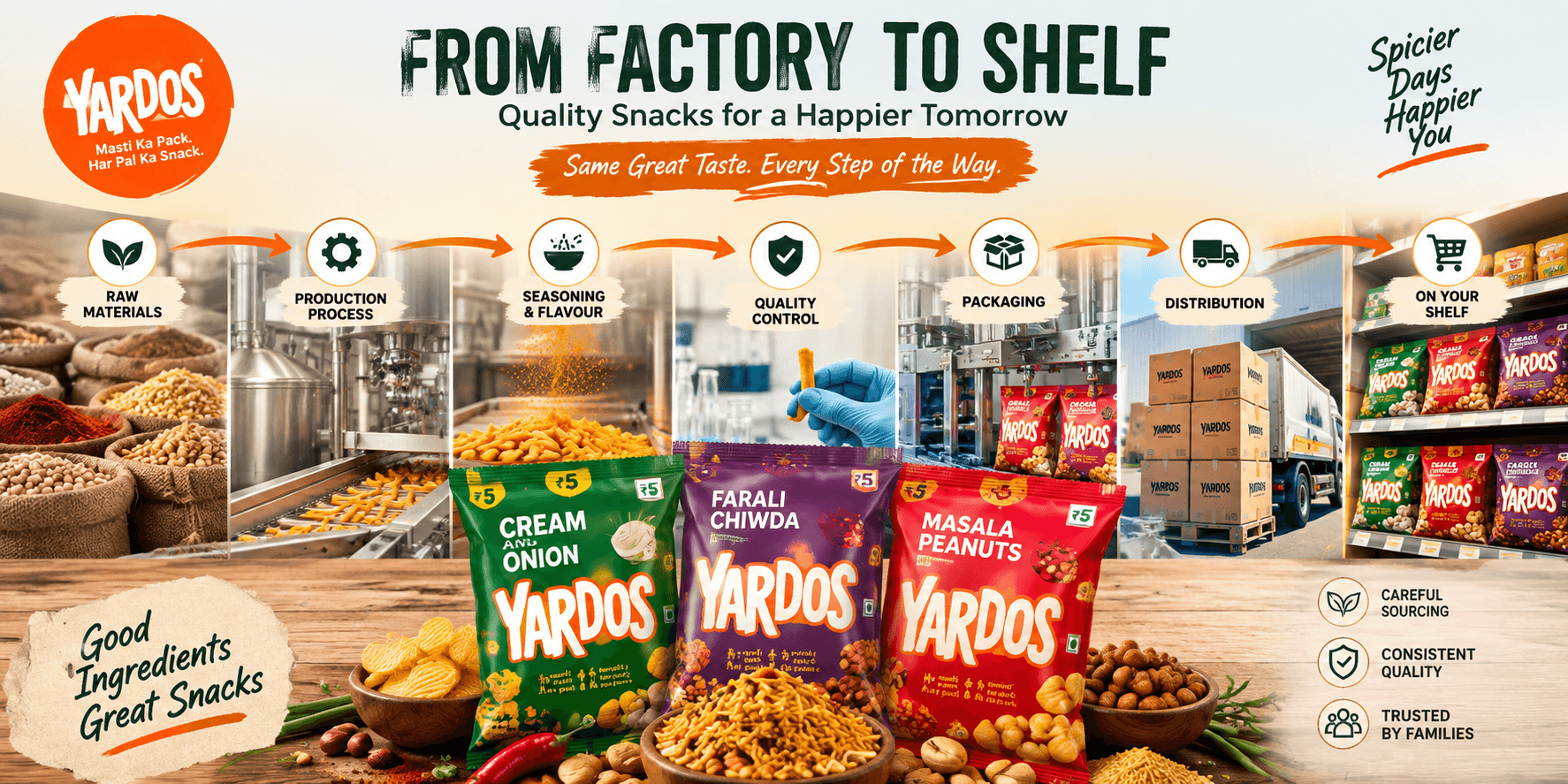
From Factory to Shelf: Mastering Snack Manufacturing and Quality Assurance Standards
Executive Summary: The Lifecycle of Premium Snack Production
The modern snack manufacturing landscape demands a rigorous synthesis of food science, engineering precision, and regulatory adherence. In the Indian FMCG sector, the journey from raw agricultural commodities to a sealed, shelf-stable consumer product involves complex mechanical and chemical interventions. Maintaining product integrity requires a systematic approach to quality control that begins long before the raw materials enter the processing facility. For manufacturers like Yummyfeast Foods LLP, the objective is to ensure that products such as Yardos Teekhi Bhadang or Yardos Masala Peanuts meet consistent sensory and safety benchmarks. This guide examines the technical requirements, regulatory mandates, and logistical strategies necessary to maintain excellence throughout the product lifecycle.
Regulatory Frameworks: FSSAI Compliance in FMCG Manufacturing
Compliance with the Food Safety and Standards Authority of India (FSSAI) is the non-negotiable foundation of snack manufacturing. Facilities must strictly adhere to the Food Safety and Standards (Licensing and Registration of Food Businesses) Regulations, specifically Schedule 4, which outlines Good Manufacturing Practices (GMP) and Good Hygiene Practices (GHP).
Schedule 4 mandates that food business operators maintain a clean, pest-proof, and structurally sound facility. This includes the implementation of a Hazard Analysis and Critical Control Points (HACCP) system. HACCP requires the identification of critical control points (CCPs) where physical, chemical, or biological hazards can be prevented or eliminated. For instance, in the production of fried snacks, the frying temperature and oil quality are primary CCPs. Documentation and traceability are equally vital; manufacturers must maintain records of batch numbers, raw material suppliers, and cleaning logs to ensure rapid recall capabilities if a safety issue arises. Adherence to these protocols is not merely a legal requirement but a fundamental operational safeguard.
Technical Precision in Snack Manufacturing Processes
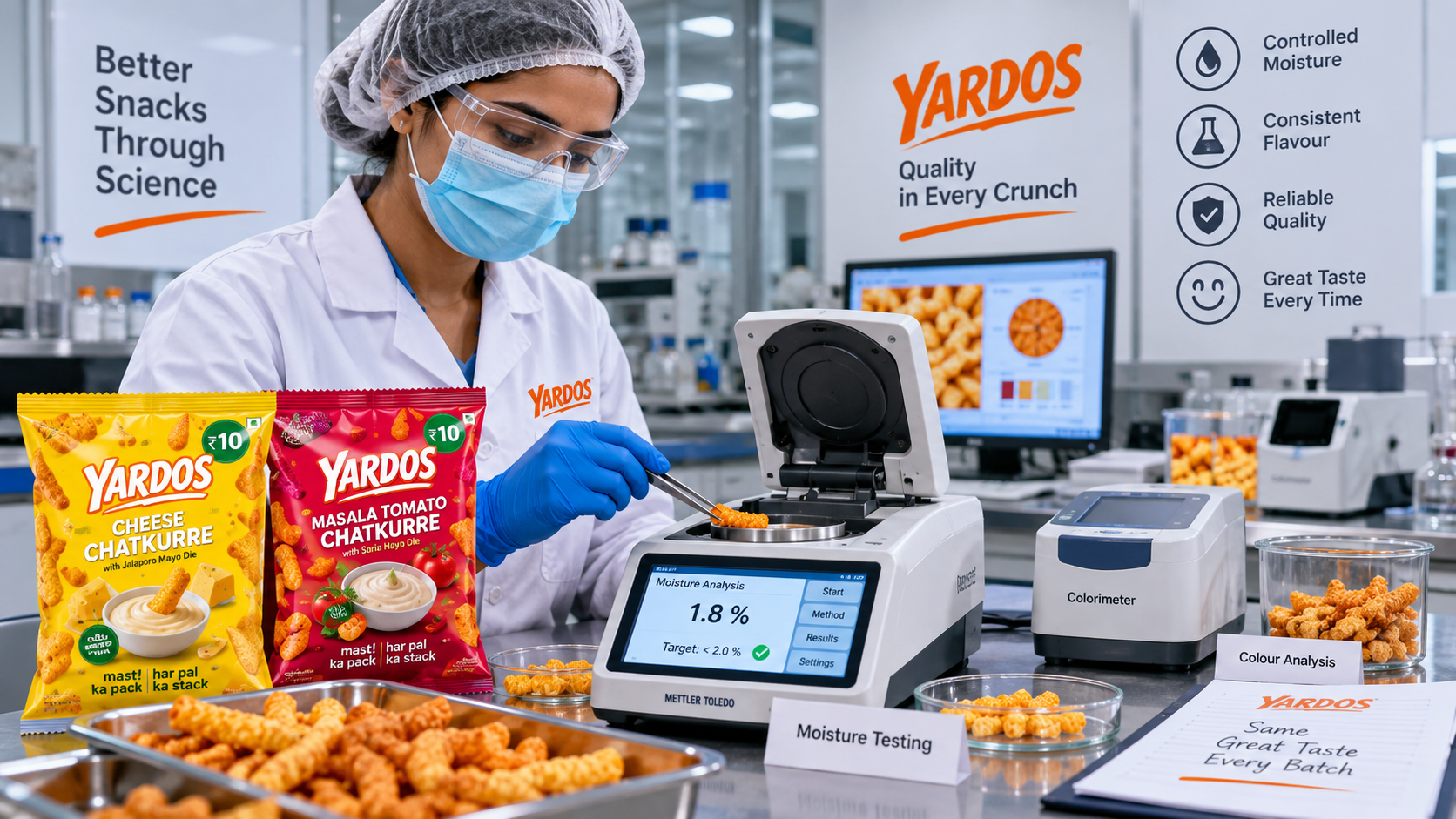
Snack manufacturing relies on the precise control of thermal and mechanical variables. Raw material sourcing involves strict specifications for moisture content, starch composition, and particle size. For potato-based or legume-based snacks, moisture levels must be monitored using moisture analyzers to ensure consistent expansion during the frying process.
Thermal processing is the core of snack production. Maintaining frying temperatures—typically between 170°C and 190°C—is essential for achieving the desired texture and color. However, prolonged exposure to high heat leads to the degradation of frying oils. Manufacturers must monitor Total Polar Compounds (TPC) in frying oil. FSSAI regulations specify that TPC levels in used frying oil should not exceed 25%. Exceeding this threshold indicates significant oil oxidation, which negatively impacts both the nutritional profile and the sensory quality of the finished product. Automated oil management systems are often employed to filter particulates and replenish oil, thereby maintaining TPC within safe operational parameters.
Advanced Preservation: The Science of Nitrogen Flushing
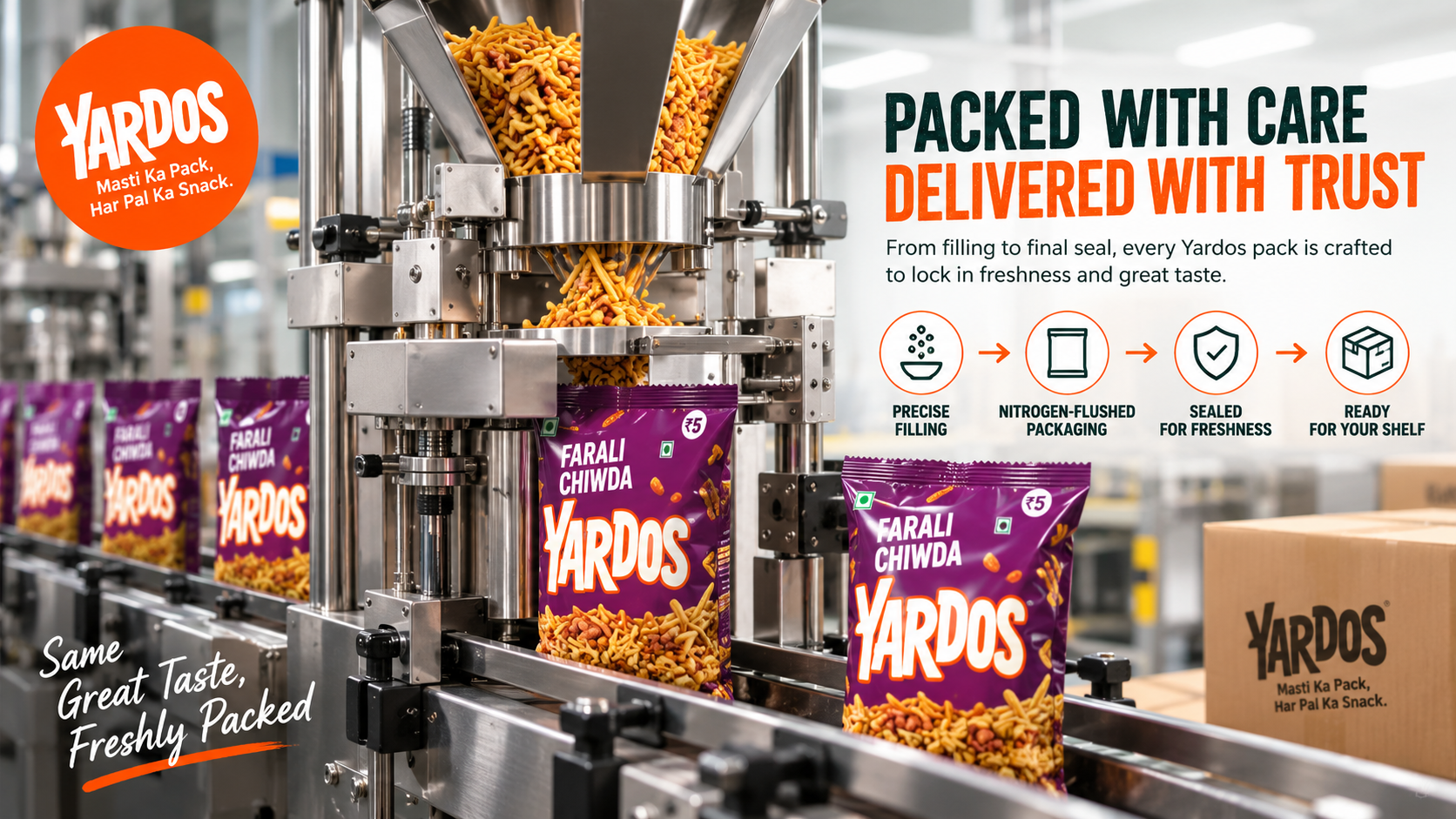
Once the snack is processed, the primary challenge is preventing lipid oxidation and moisture absorption. Modified Atmosphere Packaging (MAP) is the industry standard for extending shelf life. By replacing the oxygen inside the packaging with nitrogen, manufacturers create an inert environment that inhibits the growth of aerobic microorganisms and prevents the rancidity of fats.
Effective nitrogen flushing requires precise control over residual oxygen levels. Ideally, residual oxygen should be kept below 2% to ensure maximum shelf stability. High-speed packaging lines utilize gas-flushing nozzles that purge the pouch before sealing. If the seal integrity is compromised, oxygen ingress will lead to rapid degradation of flavor and texture. Consequently, seal integrity testing—often performed via vacuum decay or pressure testing—is a critical quality control step in the packaging line.
Quality Control Metrics and Sensory Evaluation
Quality assurance extends beyond chemical safety to include physical and sensory attributes. Texture analysis, often conducted using a texture analyzer to measure the force required to fracture the product, ensures that snacks like Yardos Chatpate Pipes or Yardos Chatpate Wheels meet the expected crunch profile. Color consistency is measured using spectrophotometers to ensure that products meet the brand’s visual standards.
Sensory panels play a vital role in maintaining brand identity. Trained evaluators assess products for flavor profile, aroma, and mouthfeel. These panels provide qualitative data that complements the quantitative results from the laboratory. Microbiological testing is also mandatory; finished products must be screened for pathogens such as Salmonella, E. coli, and Staphylococcus aureus to ensure they are safe for human consumption according to FSSAI microbiological standards.
Logistics and Distribution: Maintaining Integrity Post-Production
Distribution is the final, and often most volatile, stage of the snack lifecycle. While most fried snacks are shelf-stable and do not require cold chain logistics, they are highly sensitive to environmental factors such as humidity, temperature fluctuations, and physical impact. High humidity can lead to moisture migration, causing the product to lose its crispness. Therefore, secondary packaging must be designed to protect the primary pouches from physical damage during transit.
Inventory management systems, such as First-In, First-Out (FIFO), are essential to minimize product degradation. Manufacturers must work closely with distributors to ensure that storage facilities are dry, well-ventilated, and free from pests. Proper palletization and load securing prevent crushing, which can compromise the seal integrity of nitrogen-flushed bags, leading to premature oxidation.
Conclusion: Future-Proofing Snack Manufacturing
Technical rigor is the bridge between raw agricultural inputs and consumer trust. By integrating FSSAI-compliant manufacturing processes, rigorous quality control metrics, and advanced packaging technologies, manufacturers can ensure that products maintain their quality from the factory floor to the retail shelf. As the industry evolves, the focus will likely shift toward sustainable packaging solutions and increased automation in quality monitoring. However, the core principles of food safety and operational precision will remain the pillars of successful snack production. Companies that prioritize these standards will continue to thrive in an increasingly competitive FMCG market.
References
- Food Safety and Standards Authority of India (FSSAI). (2011). Food Safety and Standards (Licensing and Registration of Food Businesses) Regulations, 2011. Ministry of Health and Family Welfare, Government of India. https://www.fssai.gov.in
- Food Safety and Standards Authority of India (FSSAI). (2017). Guidance Note on Frying of Foods. FSSAI Regulatory Compliance Division.
- Codex Alimentarius Commission. (2003). Recommended International Code of Practice: General Principles of Food Hygiene (CAC/RCP 1-1969, Rev. 4-2003). Food and Agriculture Organization of the United Nations / World Health Organization.
- Fellows, P. J. (2016). Food Processing Technology: Principles and Practice (4th ed.). Woodhead Publishing.
- Robertson, G. L. (2016). Food Packaging: Principles and Practice (3rd ed.). CRC Press.
