
Building a Modern Indian Snack Brand: From Technical Precision to Market Dominance
Executive Summary: The Evolution of the Indian Snack Market
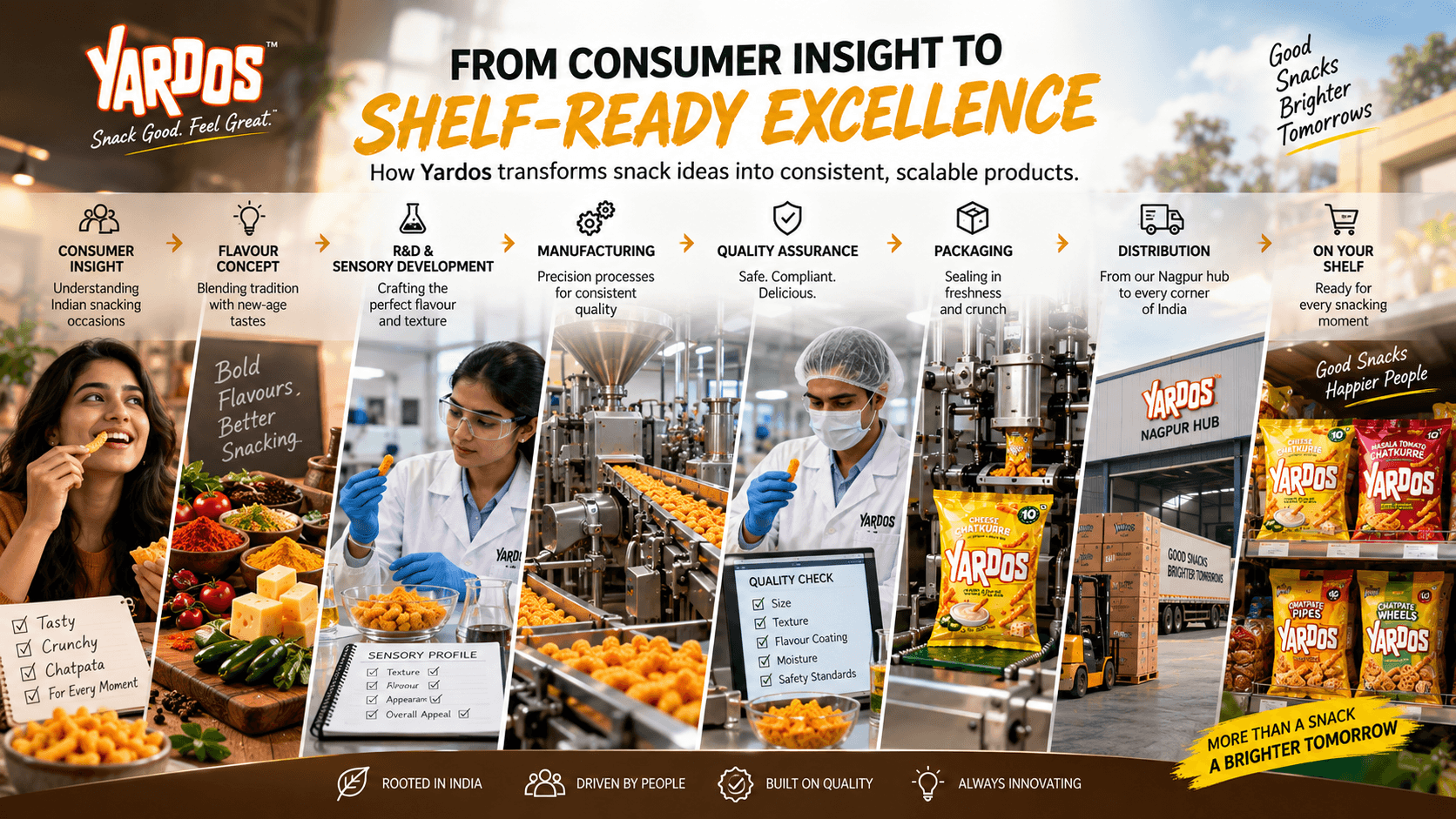
The Indian snack sector has undergone a structural shift, moving from unorganized, localized production toward a highly regulated, organized FMCG landscape. For an Indian snack brand, success is no longer defined solely by flavor, but by the ability to maintain operational consistency across vast geographic territories. Modern consumers demand high-quality, safe, and reliable products, necessitating a transition from artisanal batch methods to standardized, automated production. This roadmap explores the technical and strategic requirements for building a competitive brand in India, emphasizing the intersection of FSSAI compliance, engineering precision, and distribution efficiency.
Technical Foundations: Total Polar Compound Thresholds and Oil Integrity
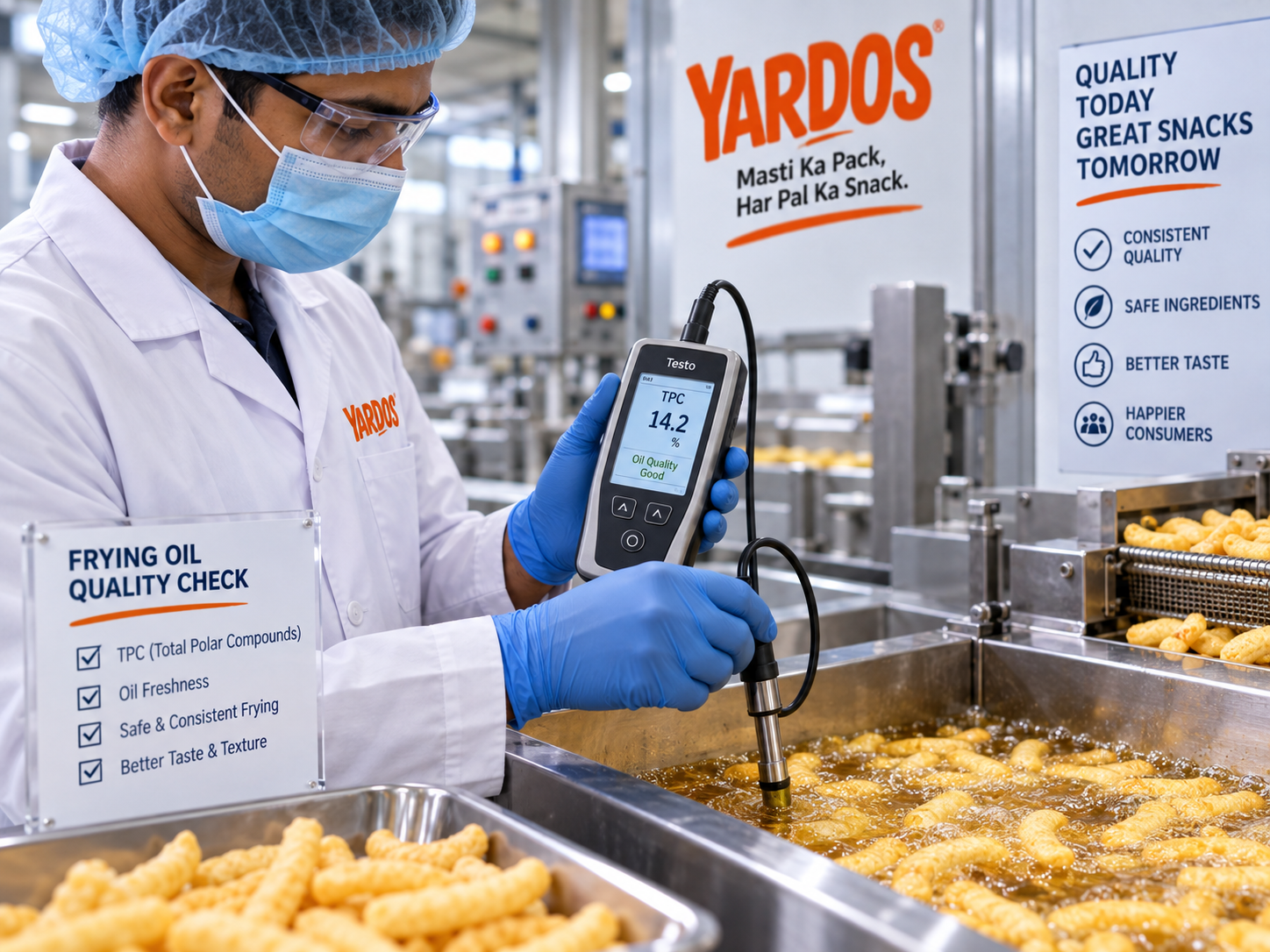
Oil quality is the primary determinant of snack safety and shelf-life. Under FSSAI regulations, specifically the Food Safety and Standards (Food Products Standards and Food Additives) Regulations, frying oil must be monitored for Total Polar Compounds (TPC). The FSSAI mandates that the TPC level in frying oil must not exceed 25%. Exceeding this threshold indicates significant thermal degradation, which produces harmful compounds such as aldehydes and ketones.
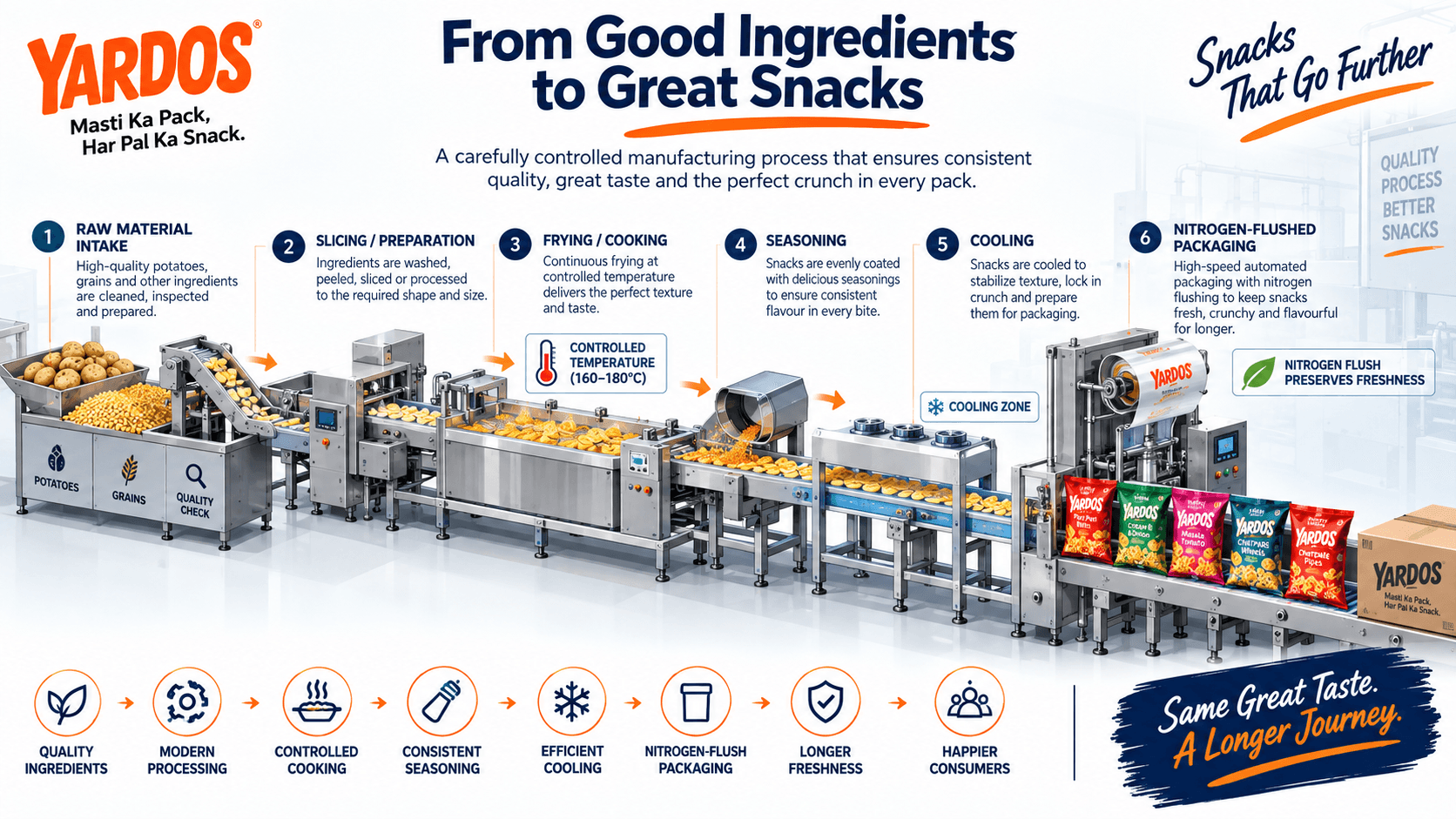
Continuous frying systems require real-time monitoring of TPC levels. Operators must utilize calibrated sensors to track the degradation rate, which is influenced by the frying temperature—typically maintained between 170°C and 185°C. Beyond TPC, moisture content in raw materials must be strictly controlled to prevent excessive oil absorption and premature rancidity. Shelf-life extension is achieved through Modified Atmosphere Packaging (MAP), specifically nitrogen flushing. By replacing oxygen with food-grade nitrogen (purity >99.9%), manufacturers minimize oxidative rancidity, ensuring products like Yardos Classic Salted or Yardos Masala Peanuts maintain their texture and flavor profile for the duration of their shelf life.
Engineering Quality: Automated Manufacturing and Process Control
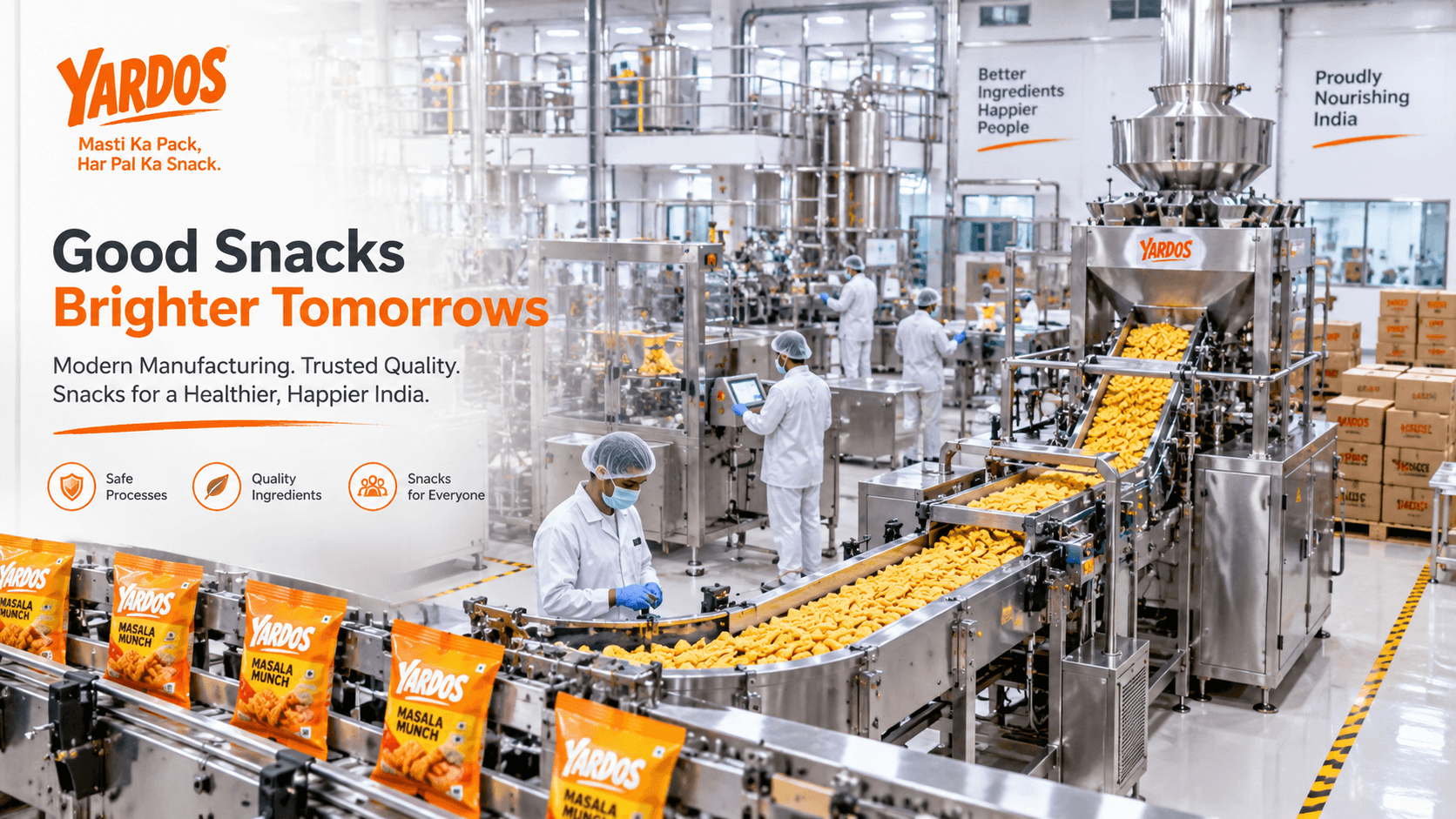
Transitioning from manual batch processing to automated continuous lines is essential for scaling an Indian snack brand. Automated systems allow for precise control over residence time, temperature gradients, and seasoning application. Implementing Hazard Analysis and Critical Control Points (HACCP) protocols is mandatory under Schedule 4 of the FSSAI Licensing and Registration of Food Businesses Regulations.
Critical Control Points (CCPs) in a snack facility include the frying stage (temperature and TPC monitoring) and the metal detection stage prior to final packaging. Seasoning application must be uniform; this is achieved through automated rotary drums with mass-flow controllers that ensure the correct weight-to-product ratio. Consistency in flavor, as seen in products like Yardos Tangy Tomato or Yardos Peri Peri, relies on the mechanical precision of these seasoning systems, preventing flavor clumping and ensuring a standardized consumer experience across every batch.
Product Innovation: Balancing Traditional Palates with Health-Conscious Formulation
Modern Indian consumers are increasingly scrutinizing labels for trans-fat content and artificial additives. The challenge for a snack business in India is to reduce saturated fats while preserving the crunch and mouthfeel associated with traditional snacks. This requires the selection of high-stability oils and the optimization of raw materials, such as high-dry-matter potatoes or specific pulse varieties for products like Yardos Maharaja Navratan.
Clean-label initiatives involve replacing synthetic antioxidants with natural alternatives like tocopherols, provided they meet FSSAI additive standards. Formulation development must prioritize the reduction of sodium without compromising the sensory profile. By utilizing precision seasoning technology, manufacturers can achieve a high-impact flavor profile with lower total salt content, meeting the dual demands of traditional taste and modern health awareness.
Commercial Strategy: Distribution Models for Packaged Food Brands
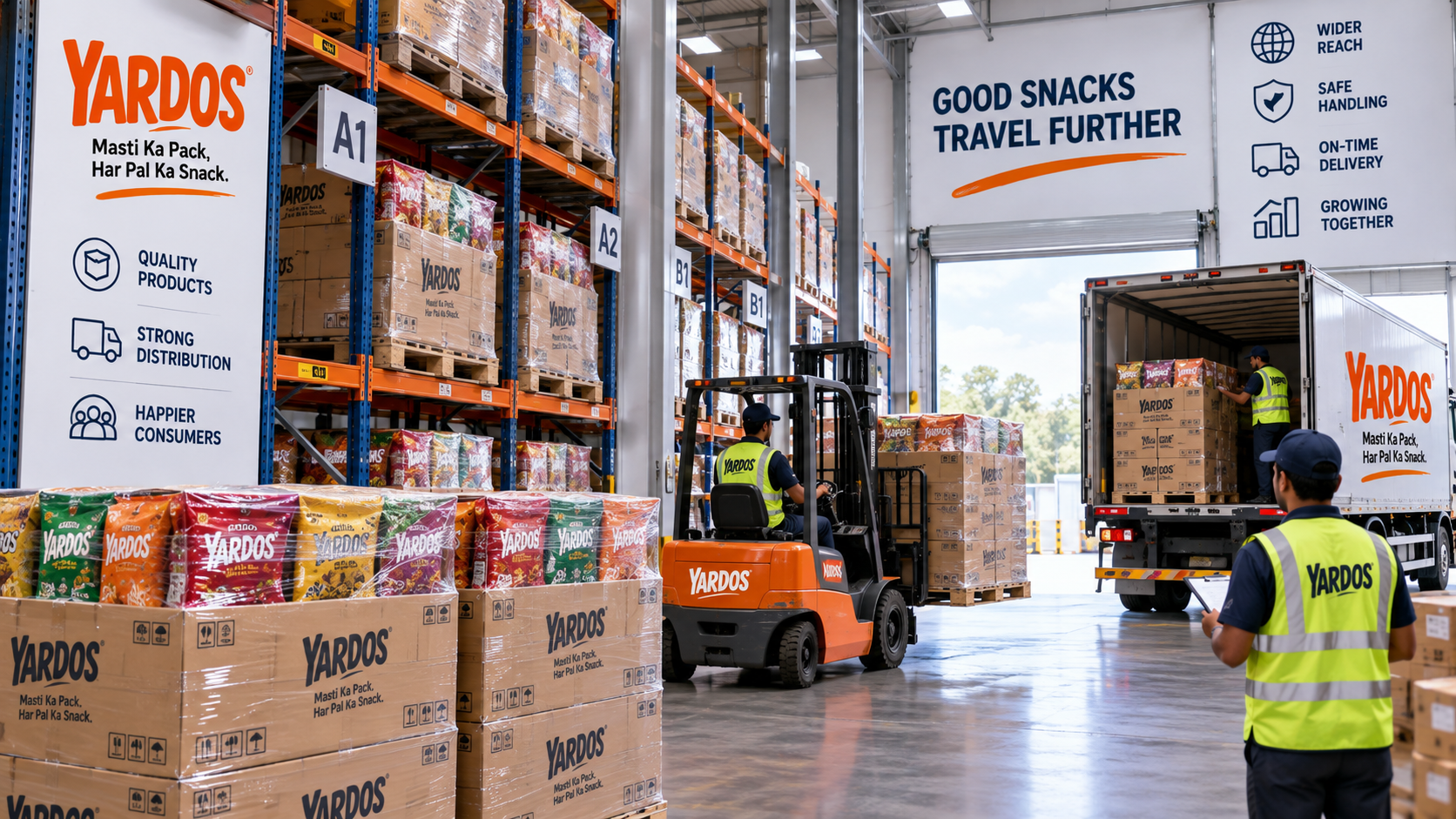
Distribution in India is a multi-tier ecosystem consisting of Carrying and Forwarding Agents (CFAs), distributors, and retailers. For a packaged food brand, the goal is to minimize the time from production to shelf. Perishable snacks require a "first-in, first-out" (FIFO) inventory management system to prevent stock aging.
Modern trade (supermarkets and hypermarkets) requires high-level SKU management and strict adherence to planograms, while general trade (kirana stores) demands high-frequency replenishment. Logistics optimization involves regional warehousing to reduce transit times and mitigate the risk of damage to fragile products like Yardos Chatpate Wheels or Yardos Chatpate Pipes. Effective distribution is not just about reach; it is about ensuring that the product reaches the consumer in the same condition it left the factory, maintaining the integrity of the packaging and the crispness of the snack.
Brand Positioning: Crafting the Consumer Experience in a Crowded Market
Brand loyalty in the Indian snack market is built on the consistency of the sensory experience. Whether it is the spice profile of Yardos Teekhi Bhadang or the texture of Yardos Naram Garam Indori, the consumer expects an identical experience every time. Packaging design serves as the first point of contact and must provide both aesthetic shelf appeal and functional protection against moisture and light.
Digital feedback loops, including QR-code-based consumer surveys and social media sentiment analysis, allow brands to iterate on product formulations. By monitoring real-time data, companies can identify regional flavor preferences and adjust production schedules accordingly. This data-driven approach ensures that the brand remains relevant while maintaining the core quality standards that define its market position.
Conclusion: Sustaining Growth in the FMCG Landscape
Building a modern Indian snack brand requires a rigorous commitment to technical precision and operational excellence. By adhering to FSSAI standards, investing in automated manufacturing, and optimizing distribution, brands can scale effectively in a competitive environment. The synergy between traditional flavor profiles and modern food science is the key to long-term viability. As the regulatory landscape evolves, brands that prioritize transparency, quality control, and consumer-centric innovation will be best positioned to lead the market.
References
- Food Safety and Standards Authority of India (FSSAI). (2011). Food Safety and Standards (Licensing and Registration of Food Businesses) Regulations. Ministry of Health and Family Welfare, Government of India.
- Food Safety and Standards Authority of India (FSSAI). (2011). Food Safety and Standards (Food Products Standards and Food Additives) Regulations. Ministry of Health and Family Welfare, Government of India.
- Codex Alimentarius Commission. (2019). Code of Practice for the Prevention and Reduction of Contamination of Food and Feed from Chemical Contaminants. FAO/WHO.
- Bureau of Indian Standards (BIS). (2020). IS 16751:2018 - Guidelines for Good Manufacturing Practices for Food Processing Industry.
- Ministry of Food Processing Industries (MoFPI). (2022). Annual Report on the Indian Food Processing Sector and Organized Retail Dynamics.