
The Anatomy of FMCG Manufacturing: From Raw Material Processing to Supply Chain Distribution
Executive Summary: The Lifecycle of Fast-Moving Consumer Goods
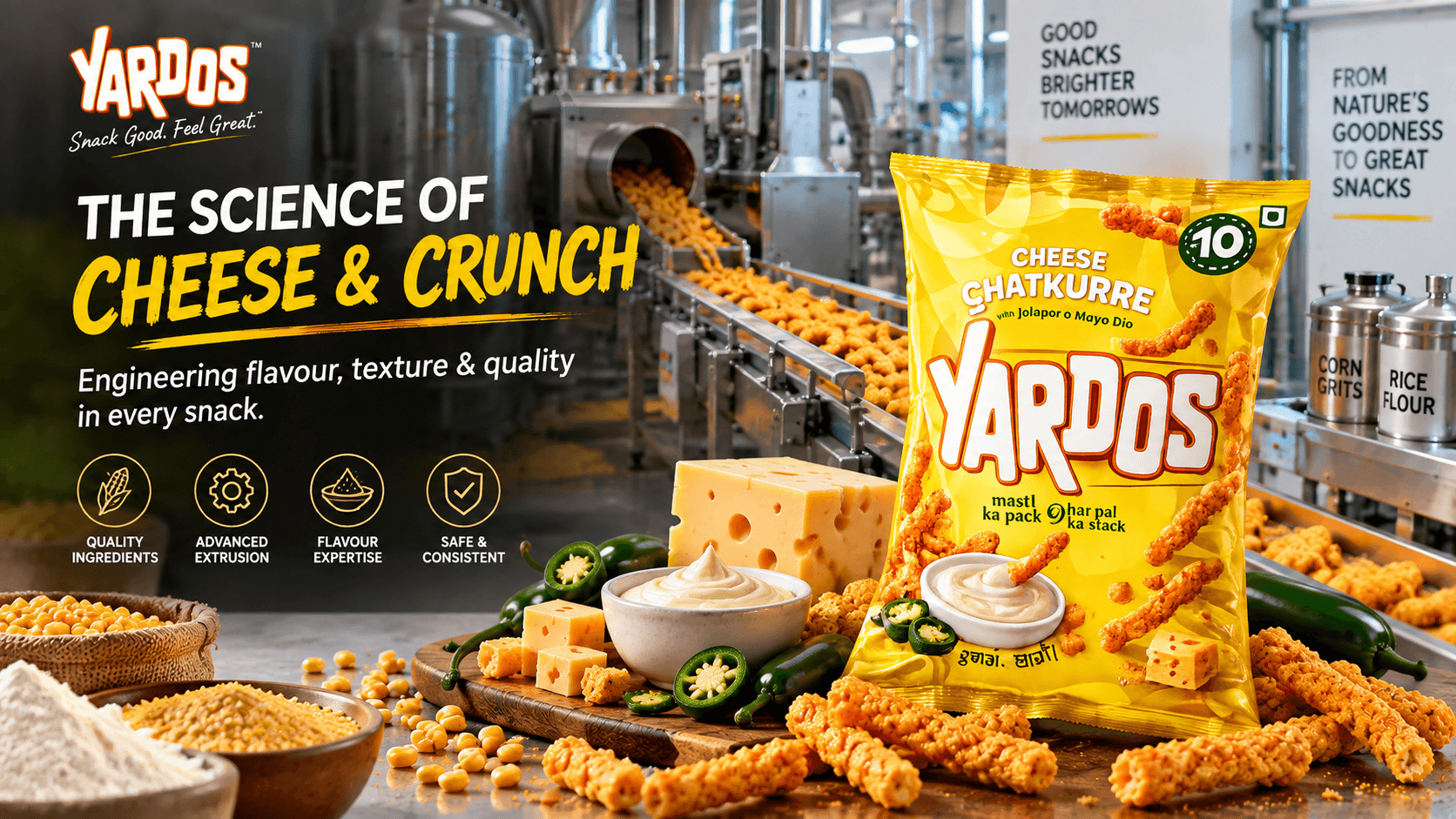
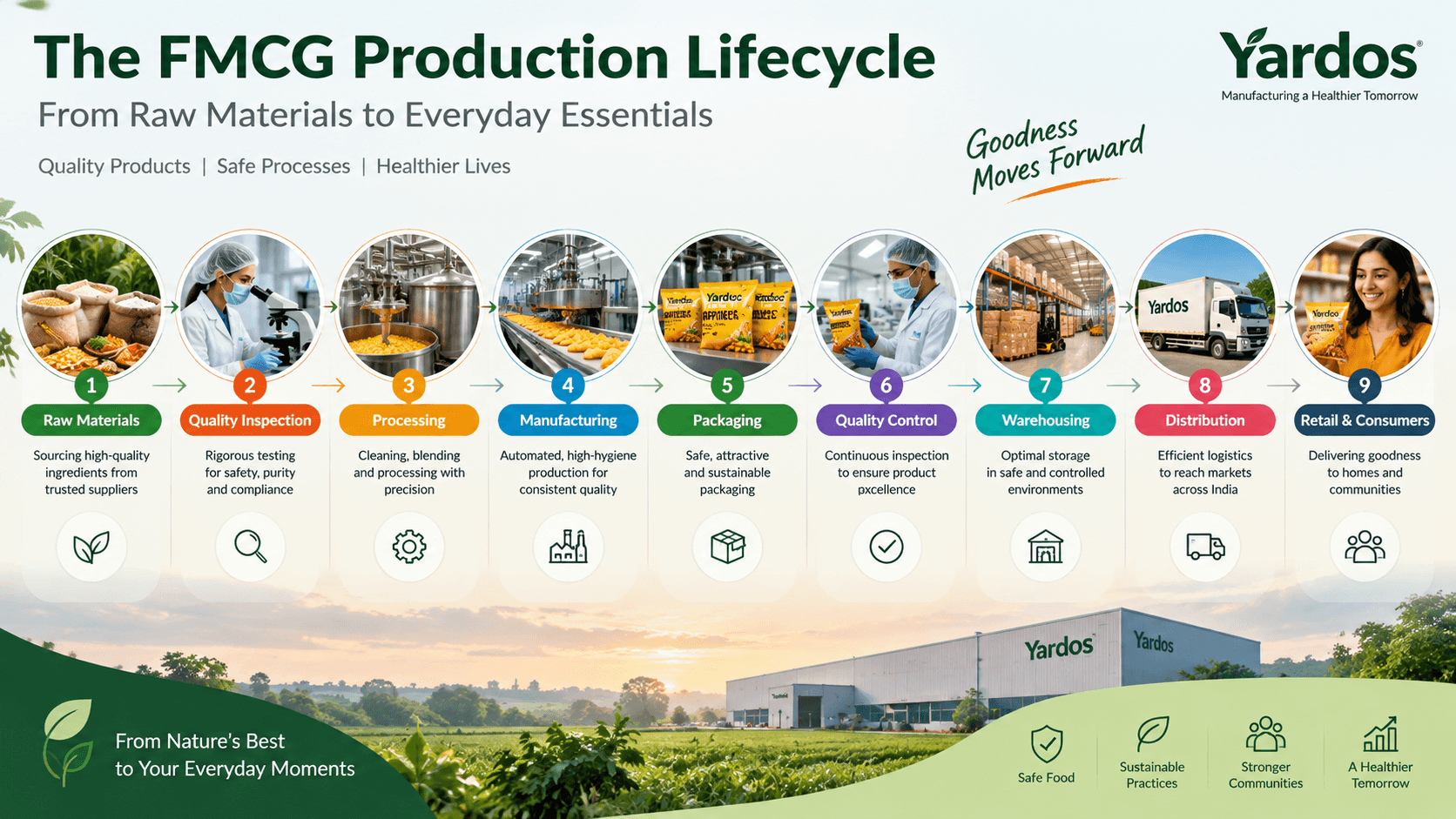
FMCG manufacturing operates on the principle of high-velocity throughput. Unlike durable goods, consumer goods require rapid conversion of raw inputs into finished stock to maintain inventory turnover ratios. The lifecycle begins at the procurement stage, where raw materials are vetted for chemical and physical properties before entering the production environment. In a modern facility, such as the Yardos plant in Nagpur, Maharashtra, the transition from raw material to retail-ready product is governed by automated systems that minimize human intervention, thereby reducing the risk of contamination and variance.
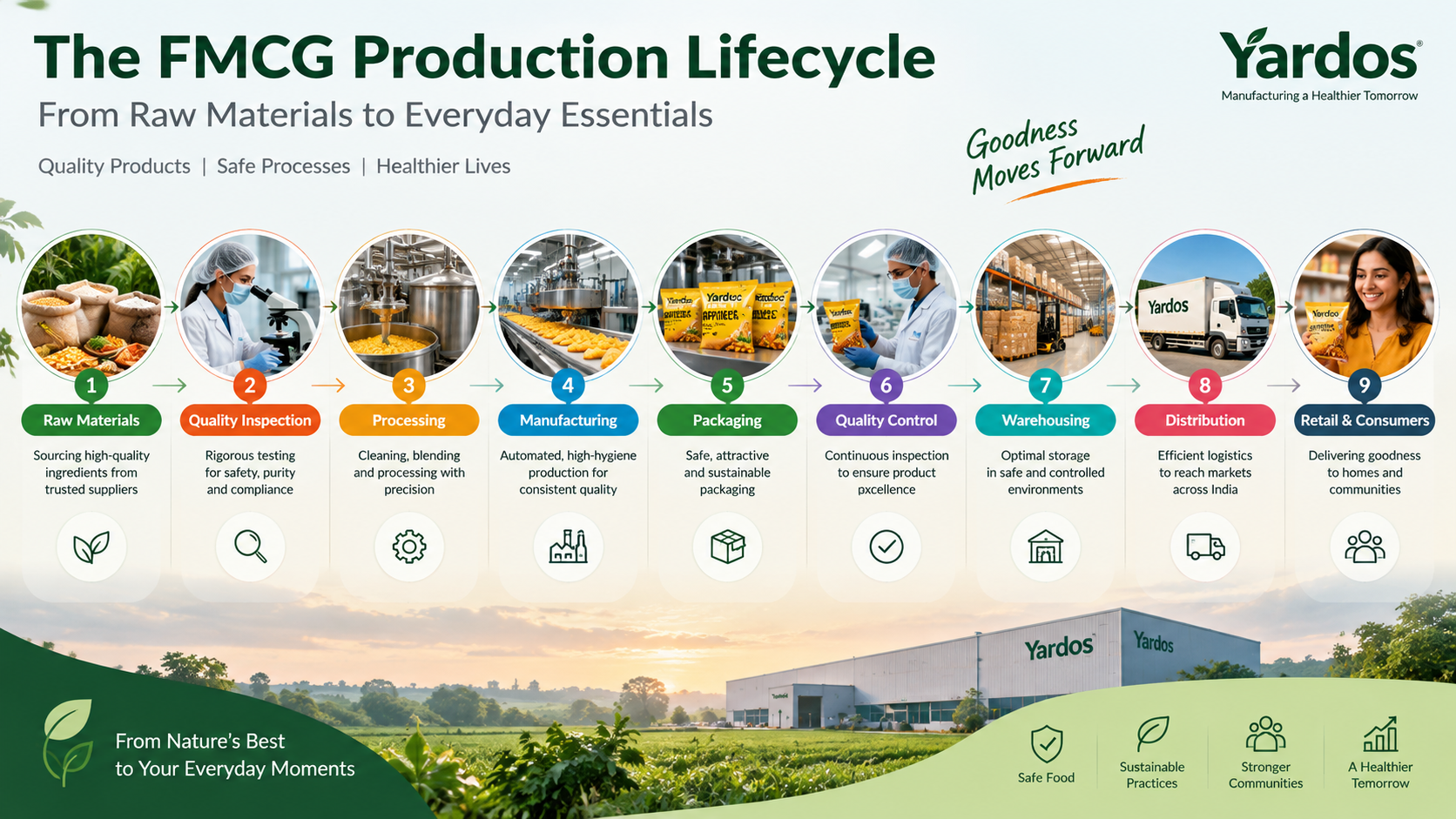
Automation in this sector is not merely about speed; it is about consistency. High-speed packaging lines, capable of handling hundreds of units per minute, rely on precise mechanical synchronization. The objective is to maintain a continuous flow that minimizes downtime while adhering to strict safety protocols. By optimizing the production cycle, manufacturers can ensure that goods reach the market within the optimal shelf-life window, which is critical for maintaining product integrity in the Indian climate.
Technical Foundations of FMCG Manufacturing Processes
Manufacturing processes for consumer goods generally fall into two categories: batch processing and continuous flow. Batch processing is often preferred for specialty products where flavor profiles or ingredient ratios require precise control. Conversely, continuous flow manufacturing is utilized for high-volume commodities where throughput speed is the primary metric.
Raw material procurement involves rigorous quality verification. For instance, moisture content in starches or protein levels in pulses must fall within specific tolerances—often +/- 0.5%—to ensure the final product meets texture and shelf-life expectations. IoT sensors are now integrated into these production lines, providing real-time telemetry on parameters such as temperature, pressure, and flow rates. These sensors allow for immediate adjustment if a variable drifts outside of the predefined operational window, preventing the production of non-conforming goods.
FSSAI Schedule 4 Compliance in Snack Manufacturing
In India, the Food Safety and Standards Authority of India (FSSAI) mandates compliance with Schedule 4 for all food processing units. This schedule outlines the essential hygienic and sanitary practices required for food business operators. For snack manufacturing, the regulation is particularly stringent regarding the use of frying media.
One critical parameter is the Total Polar Compound (TPC) limit. FSSAI regulations dictate that the TPC level in frying oils must not exceed 25%. Exceeding this threshold indicates the degradation of oil, which can lead to the formation of harmful compounds. Yardos utilizes automated oil management systems that monitor TPC levels in real-time, ensuring that oil is filtered or replaced before it violates safety standards. Furthermore, HACCP (Hazard Analysis and Critical Control Points) protocols are documented at every stage, from the reception of raw ingredients to the final sealing of packaging, ensuring that biological, chemical, and physical hazards are identified and mitigated.
Quality Control and Analytical Testing Protocols
Quality control is not a final inspection step; it is a process integrated into the manufacturing line. Microbiological testing is conducted on raw materials and finished products to ensure that pathogen counts, such as Salmonella or E. coli, remain at zero. Shelf-life stability analysis is performed using accelerated aging chambers, which simulate environmental conditions to predict how a product will behave over its intended shelf life.
Statistical Process Control (SPC) is employed to monitor the consistency of the output. By tracking variables such as package weight, seal integrity, and moisture content, manufacturers can identify trends that suggest a machine component is wearing out before it causes a failure. Automated vision systems are also used to inspect packaging for defects, such as misaligned labels or improper seals, at speeds that exceed human visual capabilities.
Strategic Logistics: The Role of Secondary Packaging in Central India
Nagpur serves as a strategic hub for distribution in Central India, but its high-temperature climate presents unique challenges for FMCG logistics. Secondary packaging—the corrugated boxes and protective materials that hold individual units—is the first line of defense against environmental degradation. Proper palletization is essential to prevent crushing and to ensure that airflow is maintained during transport.
Optimizing the secondary packaging design involves calculating the compression strength of the cardboard to withstand the weight of stacked pallets. In high-heat environments, the adhesive used in packaging must also be heat-resistant to prevent seal failure. By focusing on robust secondary packaging, manufacturers can significantly reduce shrinkage (loss of inventory) and damage during the last-mile delivery process, ensuring that the product arrives at the retail point in the same condition it left the factory.
Commercial Scaling: Distributor Opportunities and Market Access
Selecting the right distribution partners is as important as the manufacturing process itself. The Nagpur facility acts as a central node, allowing for efficient reach into the vast markets of Central and Western India. When evaluating potential distributors, criteria should include their cold-chain capabilities, their ability to manage inventory turnover, and their adherence to the manufacturer's storage guidelines.
Manufacturing efficiency directly correlates to competitive pricing. By reducing waste through SPC and optimizing logistics through strategic packaging, Yardos can maintain a cost structure that allows for competitive retail pricing while ensuring profitability for all stakeholders in the supply chain. This approach creates a stable market presence and fosters long-term relationships with retail partners.
References
- Food Safety and Standards Authority of India (FSSAI). (2011). Food Safety and Standards (Licensing and Registration of Food Businesses) Regulations, 2011. Ministry of Health and Family Welfare, Government of India. https://www.fssai.gov.in
- International Organization for Standardization. (2018). ISO 22000:2018 Food safety management systems — Requirements for any organization in the food chain. https://www.iso.org
- Indian Institute of Packaging. (2020). Guidelines for Secondary Packaging and Logistics in Tropical Climates. Technical Report Series. https://www.iip-in.com
- Journal of Food Engineering. (2021). Application of IoT and Real-time Monitoring in High-Speed Snack Food Production. Vol 298. https://www.sciencedirect.com
- Bureau of Indian Standards. (2019). IS 16738:2018: Guidelines for Good Manufacturing Practices (GMP) in Food Processing.