
Navigating FSSAI Regulations for Snack Manufacturers: A Comprehensive Compliance Framework
Executive Summary: The Regulatory Landscape for Indian Snack Production
The Indian snack food sector operates under the rigorous oversight of the Food Safety and Standards Authority of India (FSSAI), established under the Food Safety and Standards Act, 2006. This legislative framework serves as the primary mechanism for ensuring that every packaged snack, from traditional bhadang to modern extruded products, meets stringent safety benchmarks before reaching the consumer. For manufacturers, compliance is not merely a legal obligation but a structural requirement for market viability.
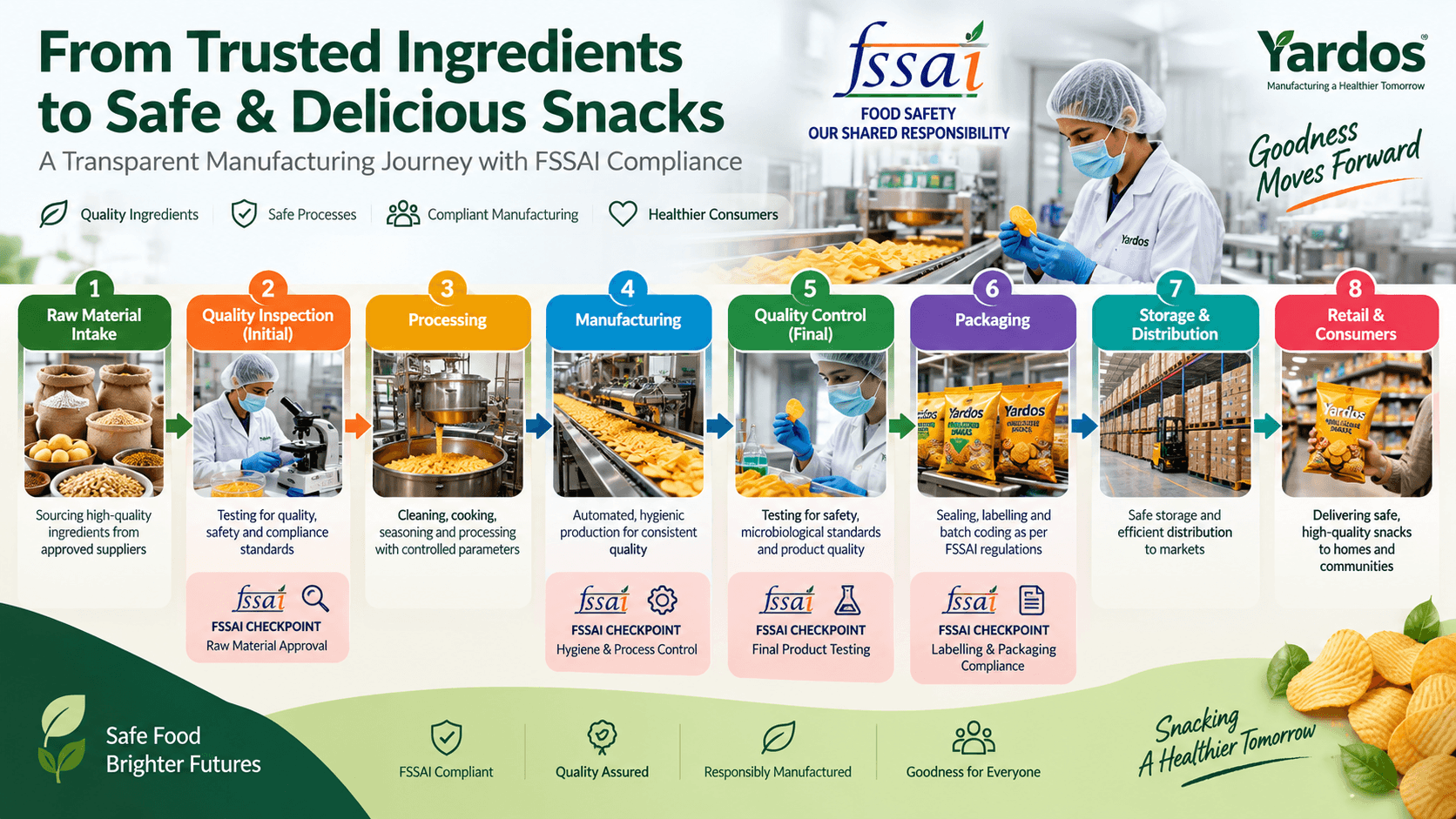
Compliance involves navigating the Food Safety and Standards (Licensing and Registration of Food Businesses) Regulations, 2011, and subsequent amendments. The strategic importance of these regulations cannot be overstated; they define the parameters for facility design, raw material sourcing, and final product distribution. Manufacturers who prioritize these standards build institutional trust, which is essential for scaling operations within the highly competitive Indian retail ecosystem.
Technical Standards for Snack Manufacturing Facilities
Schedule 4 of the FSSAI regulations mandates specific Good Manufacturing Practices (GMP) and Good Hygienic Practices (GHP) for all food business operators (FBOs). For snack manufacturing, the facility layout must prevent physical, chemical, and biological contamination.
Infrastructure requirements dictate that processing zones must be segregated. Raw material storage—such as pulses, spices, and vegetable oils—must be kept at controlled humidity levels (typically below 60% RH) to prevent microbial proliferation. Processing lines must utilize food-grade stainless steel (SS 304 or SS 316) to ensure corrosion resistance and ease of sanitation. Furthermore, the facility must implement a robust pest control program, documented through regular logs, to satisfy the requirements of the FSSAI audit checklist.
Managing Total Polar Compound Thresholds and Oil Quality
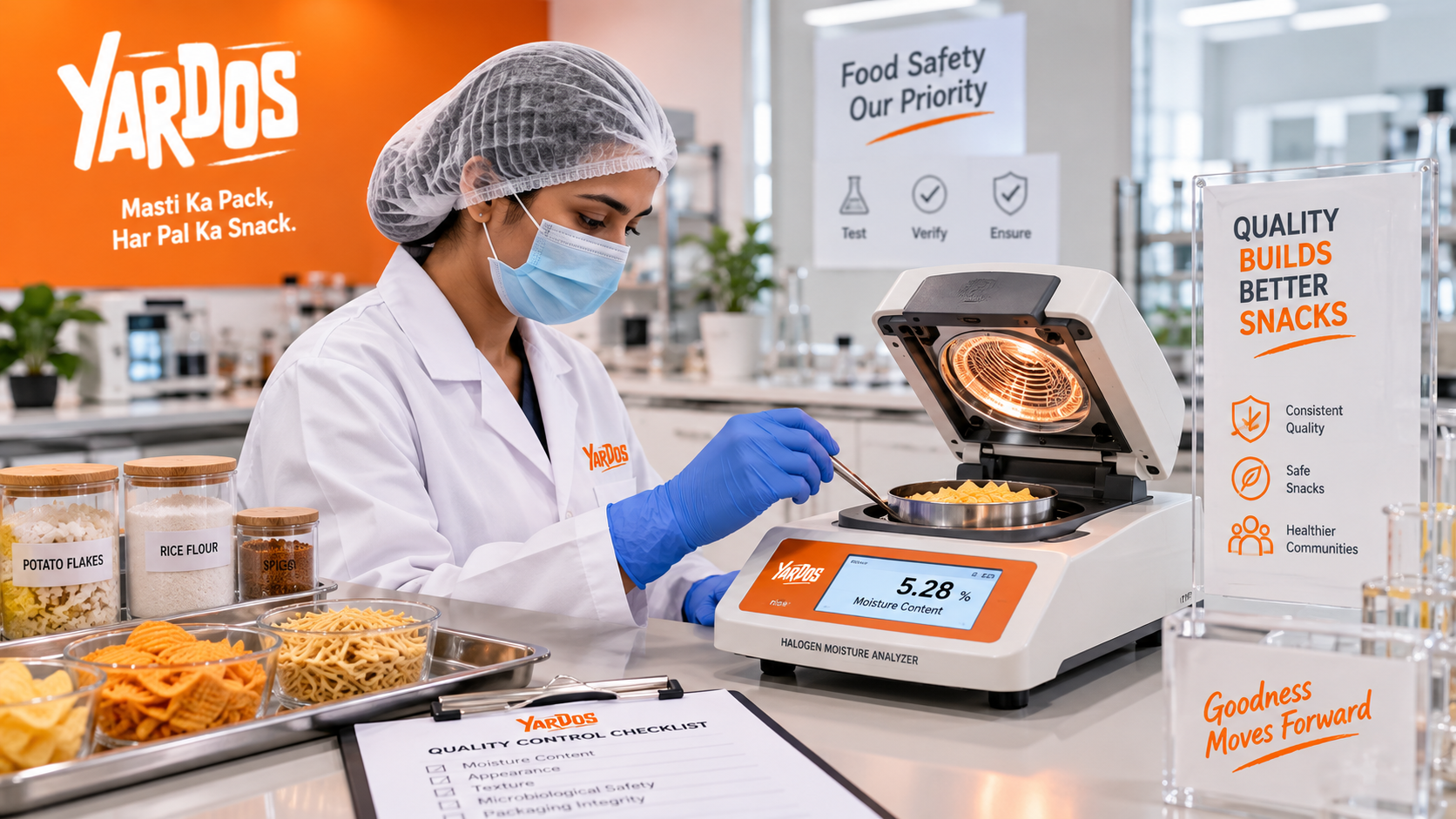
For manufacturers of fried snacks, the management of frying oil is a critical safety parameter. FSSAI has established a strict limit for Total Polar Compounds (TPC) in used frying oil, capped at 25%. Beyond this limit, the oil is considered unfit for human consumption due to the presence of harmful degradation products, including free fatty acids and oxidized triglycerides.
Operational protocols must include daily monitoring of TPC levels using calibrated electronic testers. Documentation of these readings is mandatory for audit trails. When TPC levels approach the 25% threshold, the oil must be discarded or repurposed for non-food industrial applications. This process requires precise temperature control during frying—typically between 160°C and 180°C—to balance product texture with oil stability. Maintaining these parameters prevents the formation of acrylamides and other carcinogenic compounds, ensuring the product remains within safe consumption limits.
Mandatory Labelling and Nutritional Disclosure Requirements
Labelling serves as the primary interface between the manufacturer and the consumer. The Food Safety and Standards (Labelling and Display) Regulations, 2020, require clear, accurate declarations on all packaged food items. This includes the common name of the product, the list of ingredients in descending order of weight, and a comprehensive nutritional profile.
Manufacturers must declare energy content (kcal), protein (g), carbohydrates (g), total sugars (g), and fat (g) per 100g or per serving. Allergen declarations, such as the presence of peanuts, soy, or gluten, are mandatory and must be highlighted clearly. The FSSAI also mandates the inclusion of the FSSAI logo and license number on the label, which acts as a verification mark for the consumer. As regulatory discussions shift toward front-of-pack labelling, manufacturers should prepare for more transparent disclosures regarding high-fat, salt, and sugar (HFSS) content.
Packaging Material Safety and Migration Limits
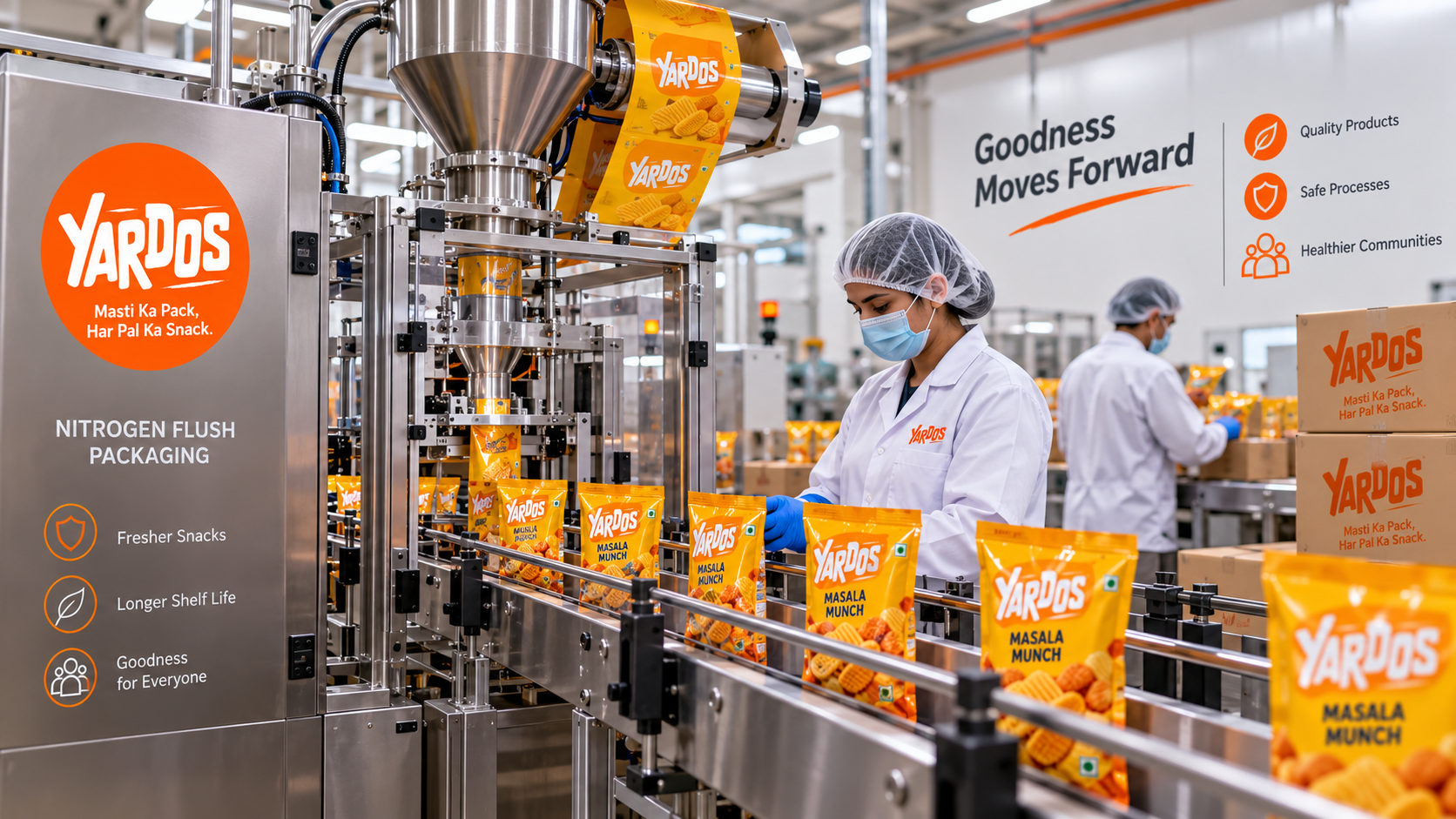
Packaging materials must comply with the Food Safety and Standards (Packaging) Regulations, 2018. These regulations ensure that no harmful chemicals migrate from the packaging material into the snack product. Manufacturers must obtain a Certificate of Analysis (CoA) from their packaging suppliers, confirming that the materials are food-grade and free from toxic contaminants.
Migration testing is particularly relevant for plastic laminates and metallized films. Factors such as storage temperature and the fat content of the snack can influence the rate of chemical migration. By utilizing high-barrier packaging, manufacturers not only ensure compliance with migration limits but also extend the shelf life of the product by preventing oxidation and moisture ingress.
Operationalizing FSSAI Licensing and Registration
All snack manufacturers must obtain an FSSAI license or registration through the Food Safety Compliance System (FoSCoS) portal. The tier of the license depends on the annual turnover and the scale of operations:
- Registration: For petty food business operators with an annual turnover below ₹12 Lakhs.
- State License: For medium-sized businesses with a turnover between ₹12 Lakhs and ₹20 Crores.
- Central License: For large-scale manufacturers, exporters, or those operating in multiple states, with a turnover exceeding ₹20 Crores.
The application process requires detailed documentation, including a blueprint of the manufacturing unit, a list of food categories, and a water testing report. Annual compliance reporting is a non-negotiable requirement, and failure to renew the license within the stipulated timeframe can lead to the suspension of operations.
Commercial Implications of Regulatory Non-Compliance
Non-compliance with FSSAI standards carries significant financial and legal risks. Product recalls, initiated by regulatory authorities, can result in severe reputational damage and loss of retail shelf space. Furthermore, fines and the potential cancellation of the manufacturing license can lead to total business cessation.
Conversely, maintaining a high standard of compliance serves as a competitive advantage. Retailers and distributors prefer to partner with manufacturers who demonstrate consistent adherence to safety protocols, as this reduces the risk of supply chain disruptions. By integrating quality control into every stage of the manufacturing process, companies can ensure long-term sustainability in the Indian market.
References
- Food Safety and Standards Authority of India. (2006). The Food Safety and Standards Act, 2006. Ministry of Health and Family Welfare, Government of India.
- Food Safety and Standards Authority of India. (2011). Food Safety and Standards (Licensing and Registration of Food Businesses) Regulations, 2011.
- Food Safety and Standards Authority of India. (2018). Food Safety and Standards (Packaging) Regulations, 2018.
- Food Safety and Standards Authority of India. (2020). Food Safety and Standards (Labelling and Display) Regulations, 2020.
- Food Safety and Standards Authority of India. (2017). Guidance Document on Management of Used Cooking Oil (UCO).
- Codex Alimentarius Commission. (2020). General Principles of Food Hygiene (CXC 1-1969). FAO/WHO.
- Bureau of Indian Standards. (2019). IS 14434:2019 - Food Grade Plastics - Specification.