
Mayo-Dip Inspired Snacks: Engineering the Future of Texture and Flavor in Indian FMCG
Executive Summary: The Rise of Mayo-Dip Inspired Snacks
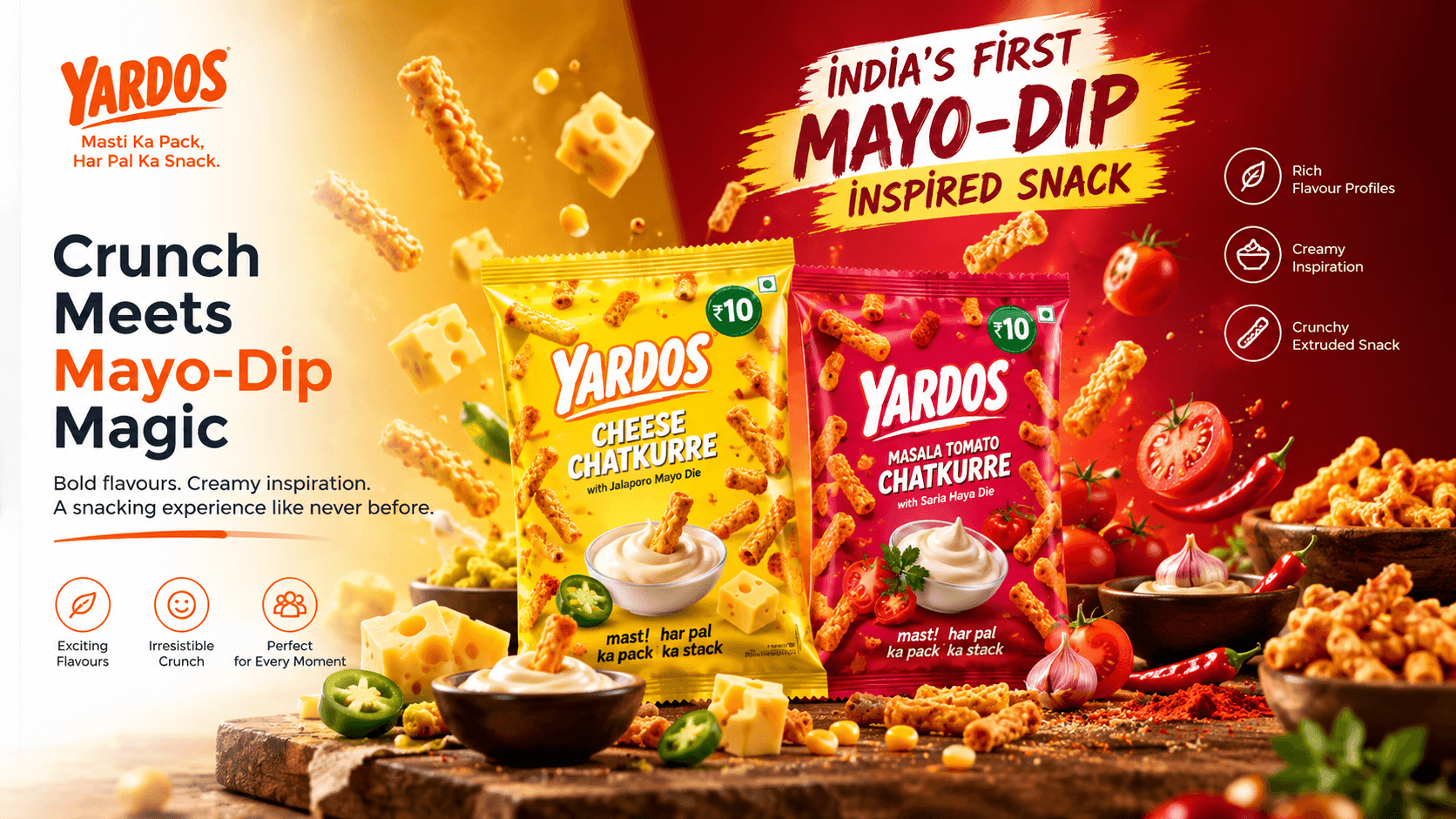
The Indian snack market is currently undergoing a significant transition. Consumer preferences are shifting away from traditional, singular flavor profiles toward complex, multi-layered sensory experiences. Among these, the demand for mayo-dip inspired snacks has emerged as a primary growth driver. These products aim to replicate the creamy, tangy, and savory mouthfeel of traditional condiments within a shelf-stable, dry snack format. This shift represents a departure from conventional namkeen and toward sophisticated, globalized flavor profiles.
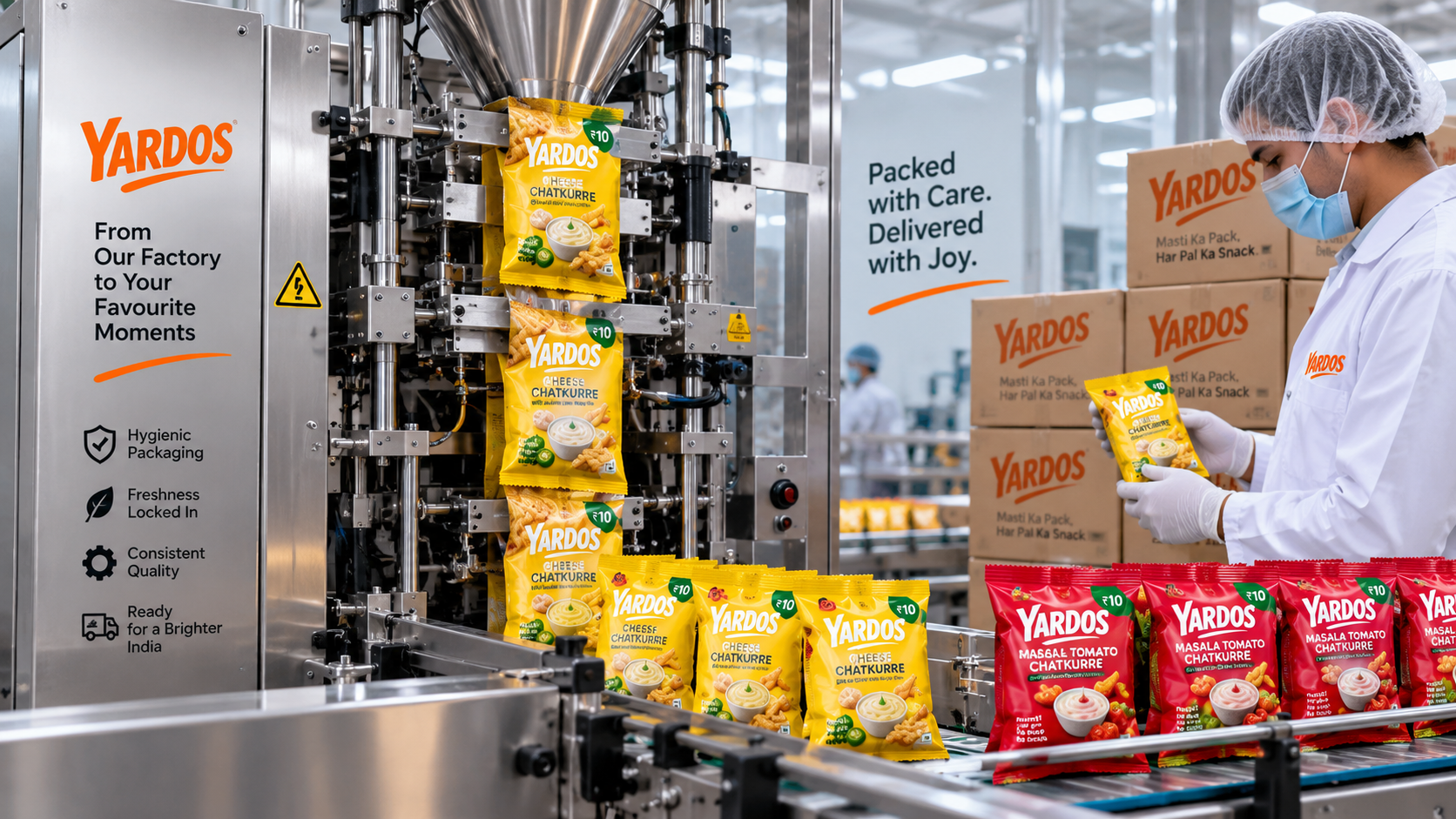
Yardos, a brand under Yummyfeast Foods LLP, serves as a pertinent case study in this evolution. By focusing on precision in flavor application and structural integrity, modern snack manufacturers are addressing the market gap where consumers seek the convenience of ready-to-eat products without sacrificing the depth of flavor typically found in fresh, dip-based appetizers. This article examines the technical, regulatory, and market-driven components required to successfully engineer these products.
Technical Foundations: Extrusion Dynamics and Texture Engineering
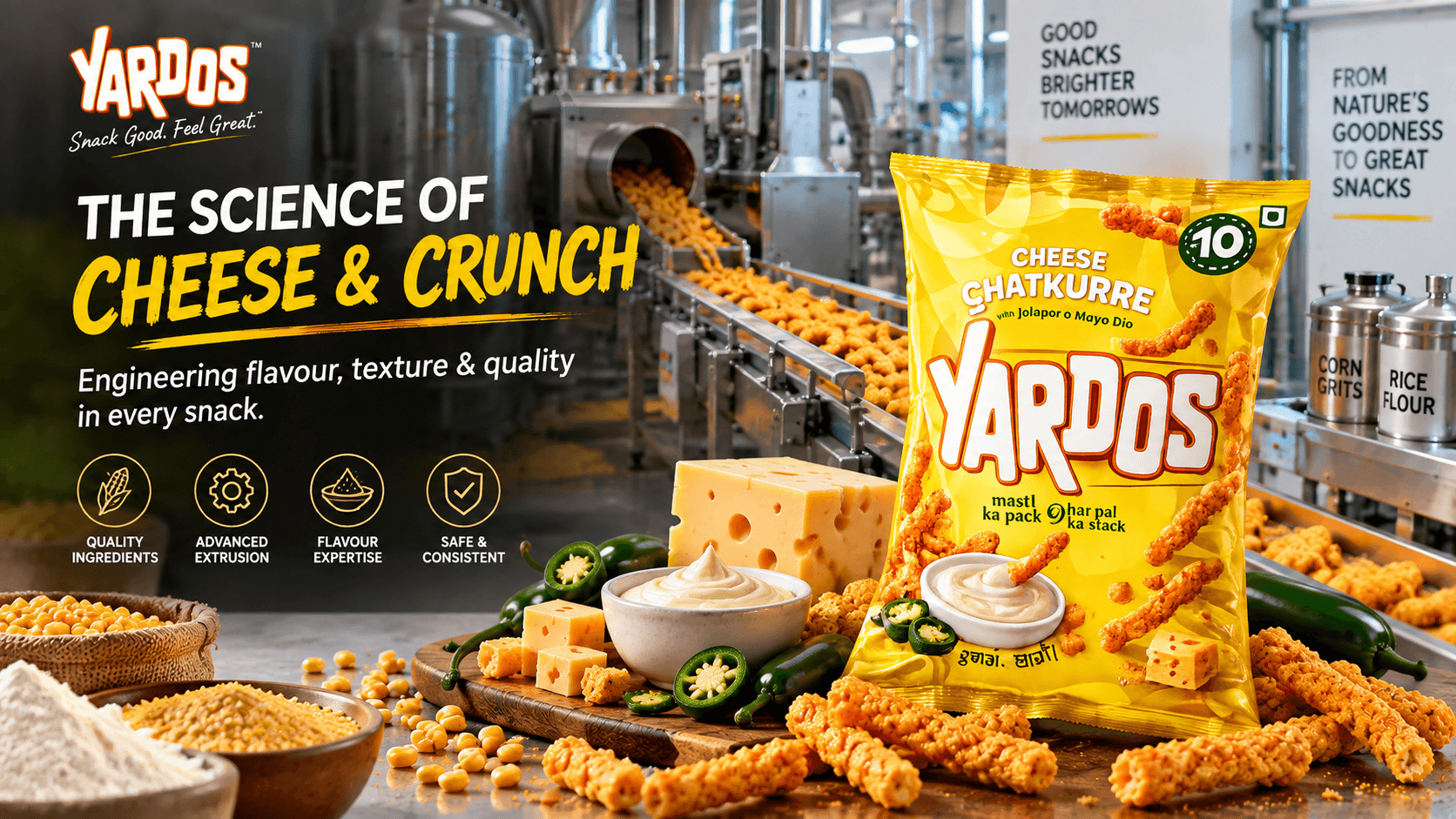
Achieving the signature crunch in extruded snacks requires precise control over twin-screw extrusion parameters. The process begins with the selection of high-quality cereal bases, such as corn grits or rice flour, which are conditioned to a specific moisture content—typically between 12% and 15%—before entering the extruder barrel.
In a twin-screw extruder, the shear forces are manipulated by adjusting the screw configuration and the rotational speed, often ranging from 300 to 600 RPM. The pressure within the die head is critical; as the molten mass exits the die, the sudden pressure drop causes the water to flash-evaporate, creating the cellular structure of the snack. To achieve the specific expansion ratios required for products like Yardos Chatpate Pipes or Yardos Chatpate Wheels, manufacturers must maintain precise temperature profiles across the barrel zones, typically ranging from 120°C to 160°C. This thermal management ensures that the starch gelatinization is complete, resulting in a consistent, airy texture that is essential for holding the subsequent seasoning applications.
Flavor Science: Emulating Creamy Profiles in Dry Snack Formats
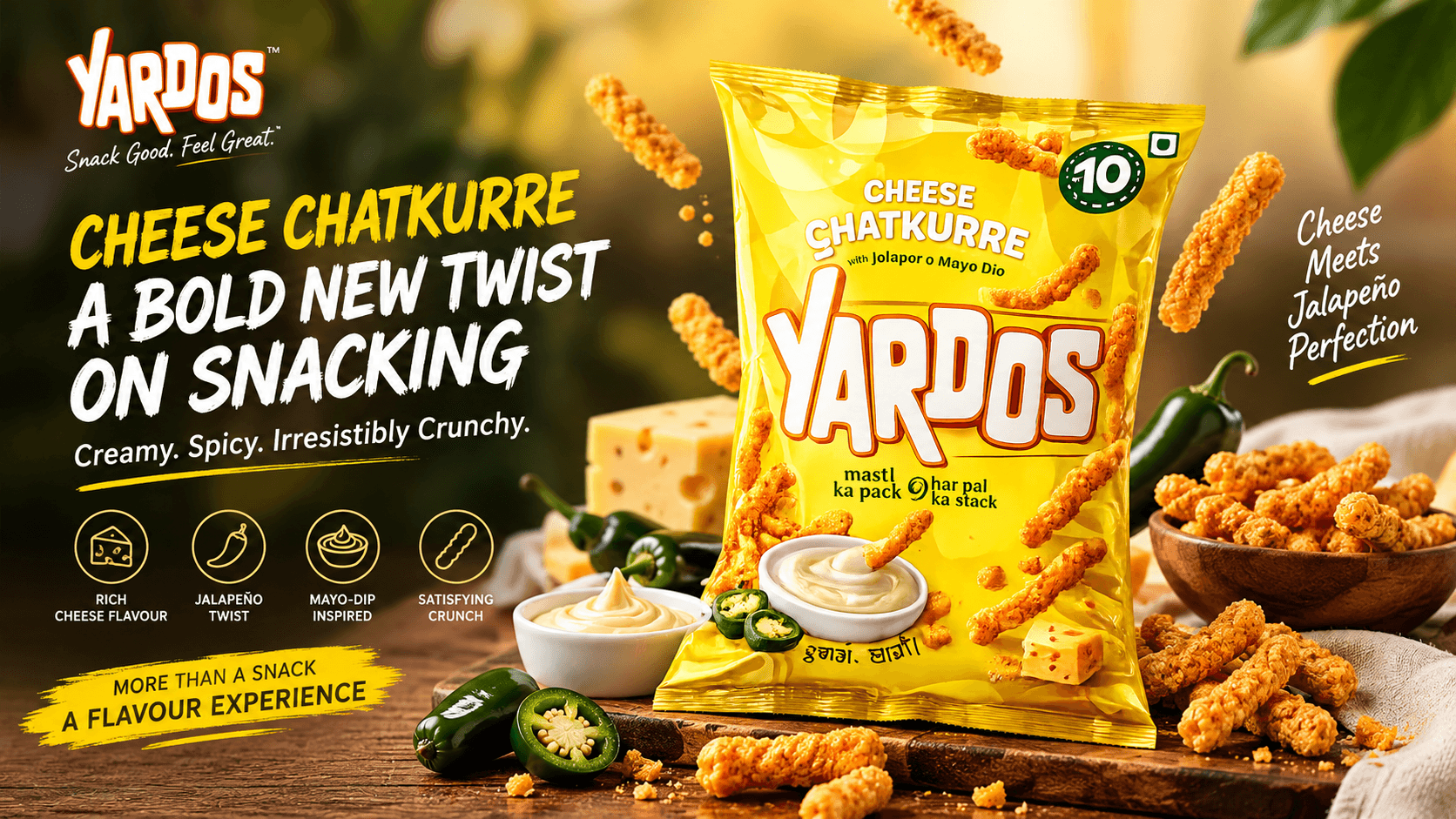
The primary challenge in developing mayo-dip inspired snacks is replicating the emulsion-based mouthfeel of mayonnaise using dry seasoning. Traditional mayonnaise relies on an oil-in-water emulsion, whereas dry snacks must remain moisture-free to ensure shelf stability and prevent lipid oxidation.
To overcome this, industry professionals utilize encapsulated seasoning technology. These seasonings incorporate lipid-based flavor carriers that mimic the creamy sensation upon contact with the palate. By utilizing specific ratios of vegetable fats, acidity regulators (such as lactic acid or citric acid), and high-intensity flavor compounds, manufacturers can simulate the tangy profile of a dip. The application process involves a rotary drum coater where the snack base is lightly misted with a food-grade adhesive oil before the dry seasoning blend is applied. This ensures uniform coverage, preventing the "clumping" effect that can degrade the consumer experience. For products like Yardos Cream N Onion, the balance of fat content and seasoning particle size is calibrated to ensure that the flavor release is immediate and sustained.
Regulatory Compliance: Total Polar Compound Thresholds and FSSAI Standards
In the Indian FMCG landscape, regulatory adherence is the cornerstone of brand longevity. The Food Safety and Standards Authority of India (FSSAI) provides rigorous guidelines under the Food Safety and Standards (Licensing and Registration of Food Businesses) Regulations. Specifically, Schedule 4 outlines the Good Manufacturing Practices (GMP) and Good Hygienic Practices (GHP) that must be maintained.
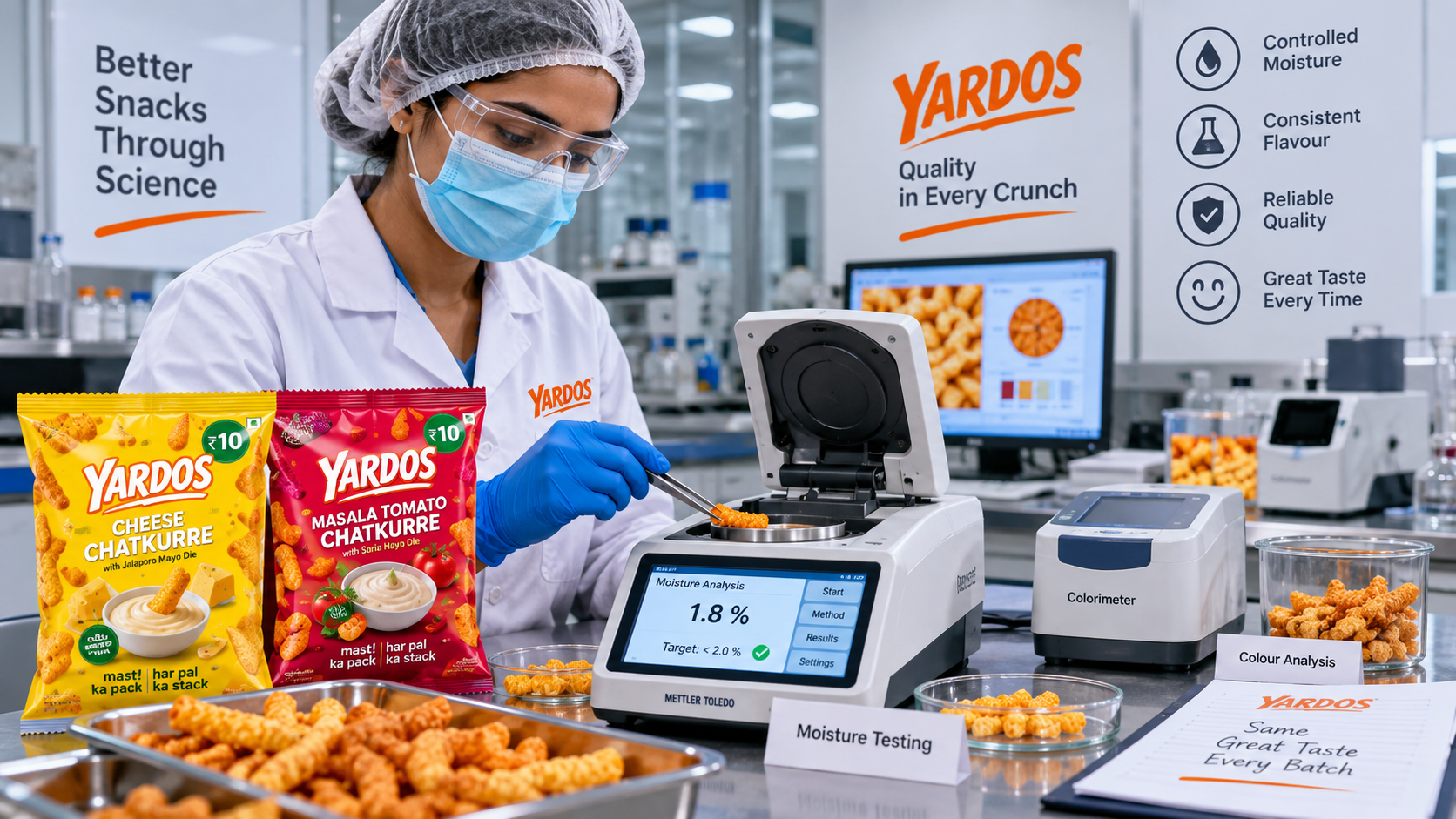
One of the most critical metrics in fried or oil-coated snack production is the management of Total Polar Compounds (TPC). As frying oil is reused, thermal degradation leads to the accumulation of polar compounds, which are indicators of oil quality. FSSAI mandates that the TPC level in frying oil must not exceed 25%. Manufacturers must employ regular testing protocols using calibrated TPC meters to ensure compliance. Failure to monitor these levels not only risks regulatory penalties but also compromises the flavor profile, as high TPC levels contribute to off-flavors and rancidity in the final product. Proper labeling, including accurate nutritional information and allergen declarations, is equally vital to meet the transparency requirements set forth by the FSSAI.
Market Dynamics: Why Yardos Represents the New Wave of FMCG Innovation
The competitive Indian snack landscape is increasingly defined by product differentiation. Consumers are no longer satisfied with generic offerings; they seek brands that provide a consistent, high-quality experience. Yardos has positioned itself within this space by focusing on the intersection of traditional Indian snack manufacturing and modern flavor innovation.
Strategic positioning involves not just the product itself, but the entire supply chain. By maintaining strict control over raw material sourcing—such as selecting high-grade spices and stable vegetable oils—manufacturers can ensure that the consumer receives the same flavor intensity in every pack. This consistency is the primary driver of brand loyalty. Furthermore, the ability to scale production while maintaining the technical specifications of the extruded base allows brands to respond rapidly to emerging trends, such as the demand for peri-peri or tangy tomato profiles, as seen in the Yardos Peri Peri and Yardos Tangy Tomato product lines.
Conclusion: The Future of Flavor-Forward Snacking
The future of the Indian snack industry lies in the successful synthesis of advanced extrusion technology and consumer-centric flavor development. As demonstrated by the engineering requirements for mayo-dip inspired snacks, success requires a deep understanding of food science, rigorous adherence to safety standards, and a commitment to operational excellence. For industry professionals, the path forward involves investing in precision machinery, maintaining strict TPC monitoring, and continuously refining seasoning technologies to meet the evolving demands of the Indian palate.
References
- Food Safety and Standards Authority of India (FSSAI). (2011). Food Safety and Standards (Licensing and Registration of Food Businesses) Regulations, 2011. Ministry of Health and Family Welfare, Government of India.
- Food Safety and Standards Authority of India (FSSAI). (2017). Guidance Note on Management of Total Polar Compounds (TPC) in Frying Oil. FSSAI Regulatory Compliance Division.
- Codex Alimentarius Commission. (2020). General Standard for Contaminants and Toxins in Food and Feed (CXS 193-1995). FAO/WHO.
- Singh, R. P., & Heldman, D. R. (2014). Introduction to Food Engineering (5th ed.). Academic Press.
- Yummyfeast Foods LLP. (n.d.). Official Product Documentation and Quality Assurance Standards. Nagpur, Maharashtra, India.