
The Science of Heat: Decoding the Surge of Spicy Snacks in India
Executive Summary: The Pungency Paradigm in Indian Snacking
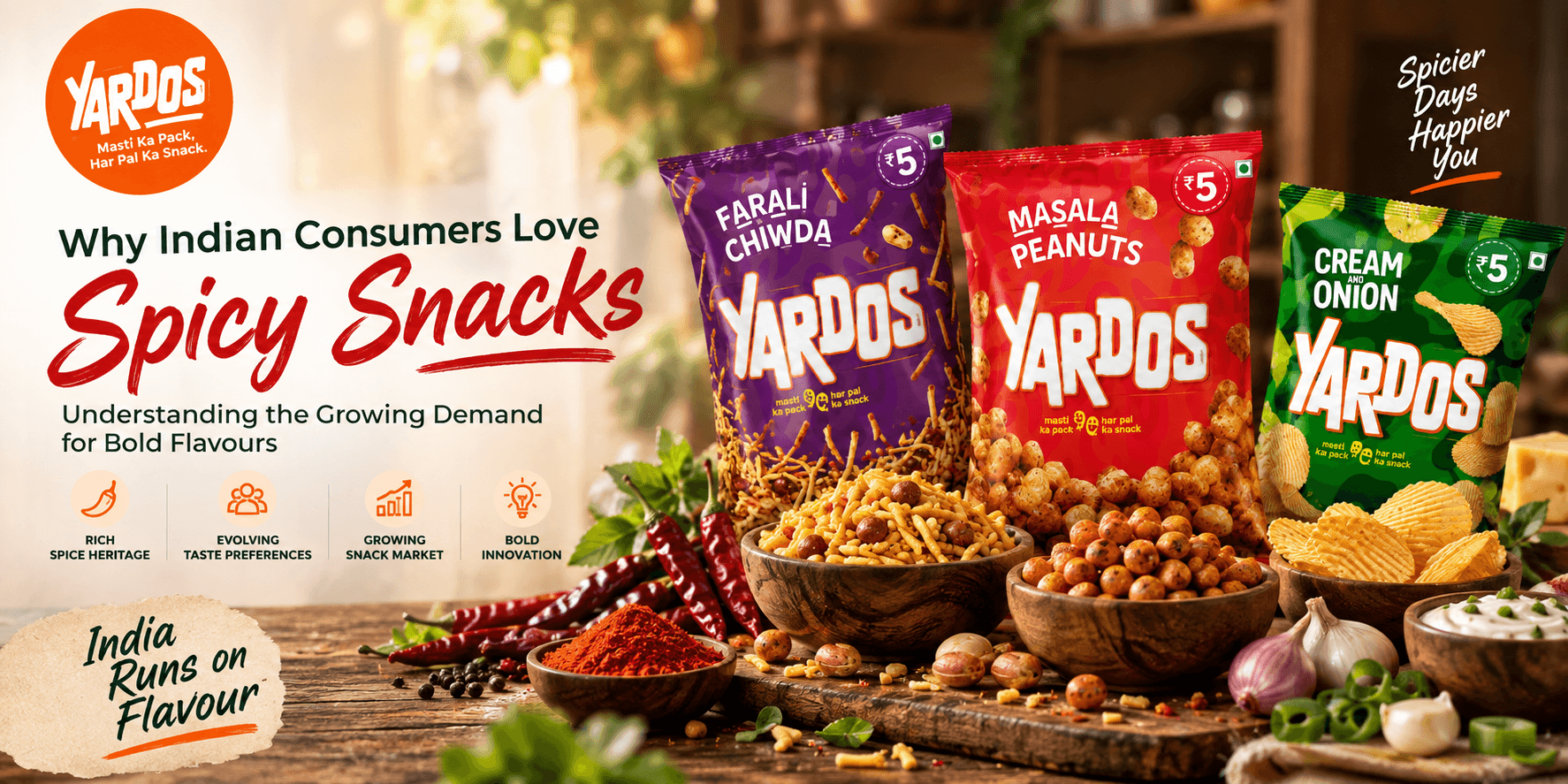
The Indian snack market is currently undergoing a structural shift toward high-intensity flavor profiles. Spicy snacks in India are no longer a niche segment but a primary driver of FMCG growth. This trend represents an intersection of deep-rooted culinary heritage and modern consumer demand for sensory complexity. From traditional regional preparations to contemporary global fusion, the appetite for bold flavors is reshaping supply chains and manufacturing priorities. For industry stakeholders, understanding this shift requires a focus on the technical, regulatory, and physiological factors that define the modern snack landscape.
The Sensory Physiology of Capsaicin and Indian Palates
The preference for spicy namkeen and flavored snacks in India is rooted in the activation of the trigeminal nerve. Capsaicin, the primary active component in chili peppers, binds to TRPV1 receptors, which are ion channels that detect heat and physical abrasion. In the Indian context, the threshold for capsaicin tolerance is significantly higher than in many global markets, a phenomenon often attributed to long-term dietary exposure and cultural conditioning.
From a physiological standpoint, the consumption of spicy snacks triggers the release of endorphins, creating a sensory reward loop. Manufacturers utilize this biological response to design products that offer immediate impact. However, scaling this experience requires precise control over the concentration of capsaicinoids. Unlike basic salt-based seasoning, spicy formulations involve complex interactions between volatile compounds and the substrate of the snack, whether it be a potato-based chip or a pulse-based namkeen.
Technical Formulation: Balancing Oleoresins and Flavor Stability
Achieving consistent flavor intensity in mass-produced spicy snacks requires moving beyond raw spice powders toward standardized oleoresins. Oleoresins are concentrated extracts that provide a uniform Scoville Heat Unit (SHU) rating, ensuring that every batch meets the target pungency profile.
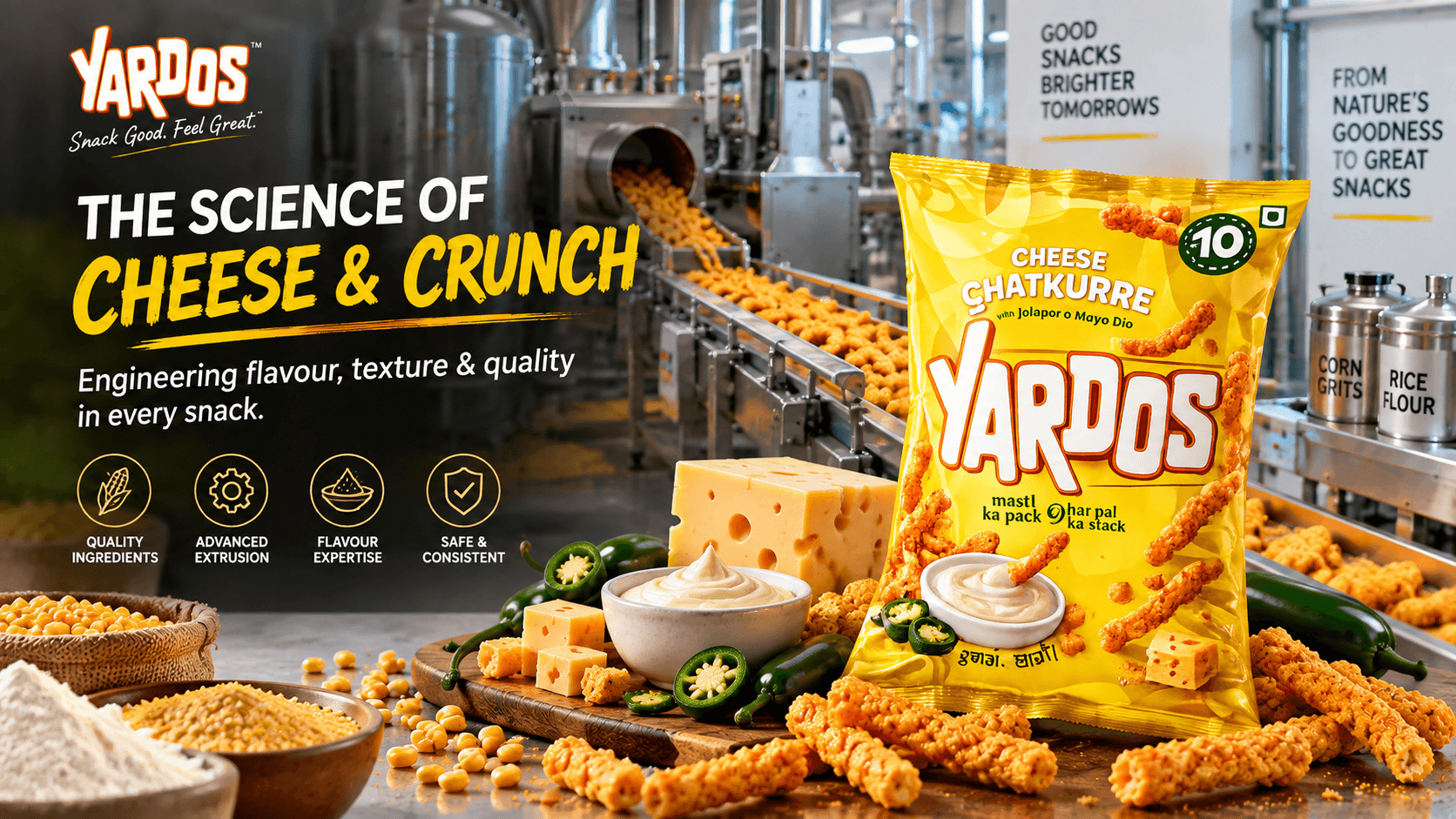
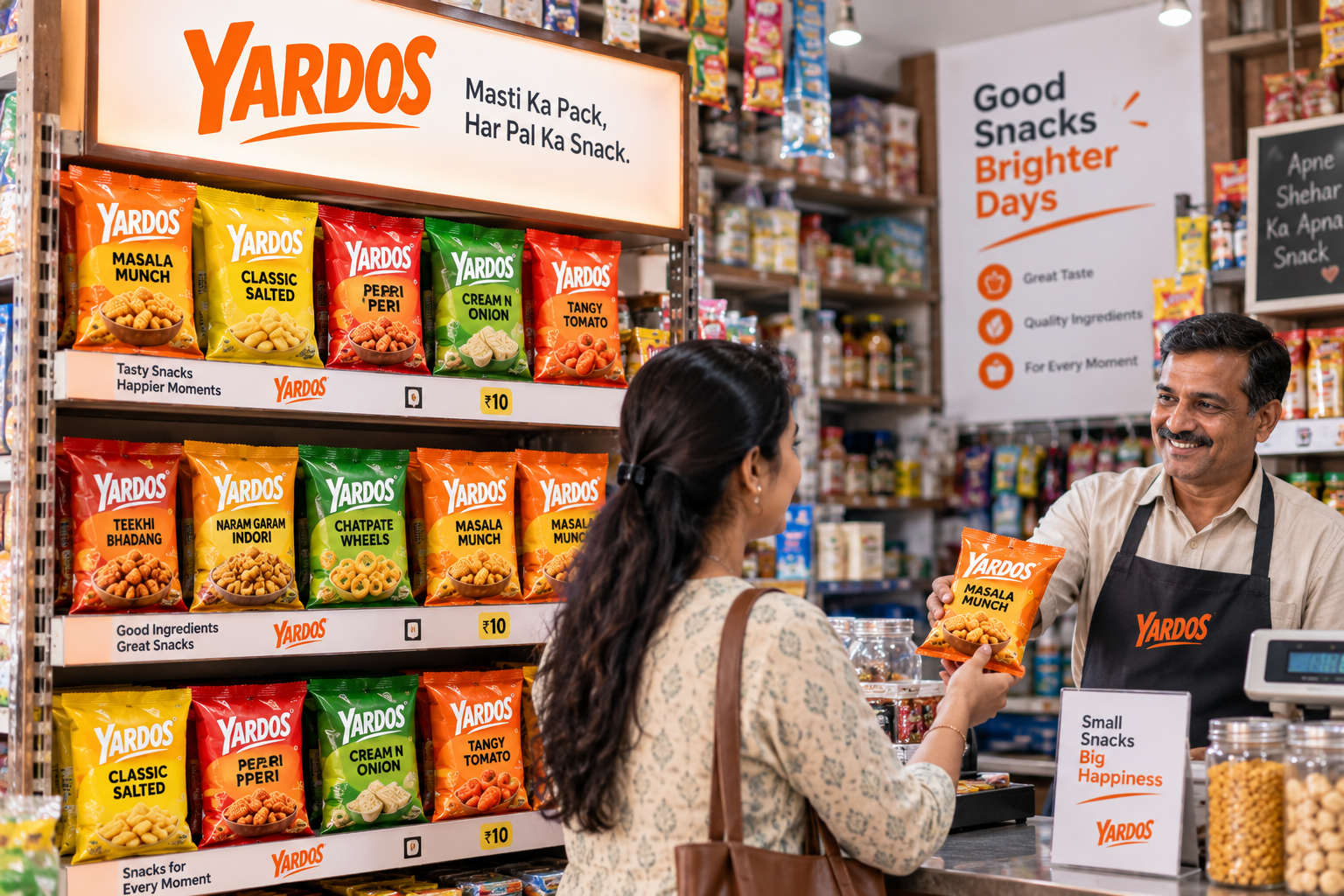
Manufacturers face significant challenges in maintaining these profiles across India’s diverse climate zones. High ambient humidity and temperature fluctuations can accelerate the degradation of volatile flavor compounds. To mitigate this, industry leaders employ encapsulation technology. By coating spice particles in a protective matrix, manufacturers prevent premature oxidation and ensure that the flavor release occurs only upon consumption. This technical precision is essential for products like Yardos Peri Peri or Yardos Masala Tomato, where the balance between acidity and heat must remain stable throughout the product's shelf life.
Total Polar Compound Thresholds and FSSAI Schedule 4 Compliance
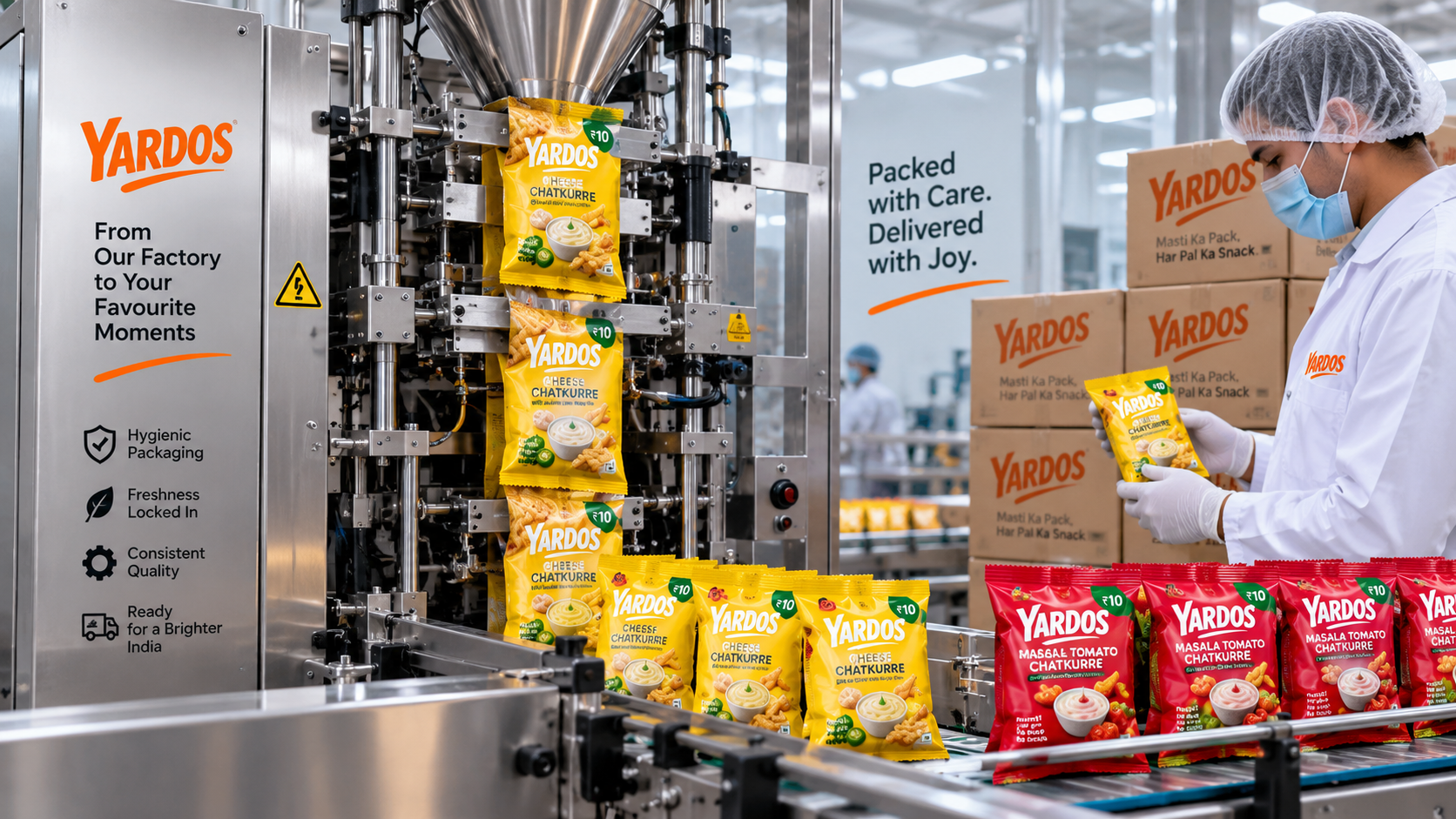
The production of spicy snacks often involves high-heat frying, which directly impacts the quality of the frying medium. FSSAI regulations, specifically under the Food Safety and Standards (Licensing and Registration of Food Businesses) Regulations, mandate strict adherence to Good Manufacturing Practices (GMP). A critical metric here is the level of Total Polar Compounds (TPC) in frying oil.
When spices or oleoresins are introduced into the frying process, they can accelerate oil degradation. FSSAI guidelines stipulate that the TPC limit for frying oil should not exceed 25%. Exceeding this threshold indicates the presence of harmful degradation products, including free fatty acids and polymers. Manufacturers must implement rigorous oil management protocols, such as continuous filtration and regular monitoring of the TPC levels using calibrated sensors. Failure to maintain these standards not only risks regulatory non-compliance but also compromises the integrity of the snack's flavor profile, as oxidized oil can impart off-notes that mask the desired spice intensity.
Market Drivers: The Evolution of Bold Flavor Trends
Demographic shifts are the primary engine behind the demand for bold flavors. Gen Z and Millennial consumers in India are increasingly seeking "experiential" snacking. This is characterized by a preference for global fusion—such as the integration of peri-peri, chipotle, or wasabi profiles into traditional Indian snack formats.
Social media and the rise of "challenge" culture have further amplified this demand. Snacks that offer extreme heat or unique flavor combinations are frequently featured in digital content, creating a viral feedback loop that drives retail velocity. This trend is not limited to urban centers; distribution networks are increasingly carrying these high-intensity products into Tier-2 and Tier-3 markets, signaling a nationwide normalization of bold flavor profiles.
Strategic Industry Takeaways for Snack Manufacturers
To remain competitive, snack manufacturers must prioritize three strategic pillars:
- R&D in Clean-Label Extracts: As consumer health awareness grows, there is a shift toward natural, non-synthetic spice extracts that offer high potency without artificial additives.
- Supply Chain Resilience: The volatility of spice commodities, such as chili and black pepper, necessitates robust procurement strategies. Manufacturers should build long-term contracts with suppliers who adhere to standardized grading and safety certifications.
- Regulatory Vigilance: Continuous investment in testing infrastructure, particularly for TPC and moisture content, is non-negotiable. Adherence to FSSAI Schedule 4 is the baseline for operational excellence.
By aligning technical formulation with consumer sensory preferences and rigorous regulatory compliance, manufacturers can navigate the complexities of the Indian snack market effectively. The future of the industry lies in the balance between the intensity of the flavor and the stability of the production process.
References
- Food Safety and Standards Authority of India (FSSAI). (2011). Food Safety and Standards (Licensing and Registration of Food Businesses) Regulations. Ministry of Health and Family Welfare, Government of India.
- Food Safety and Standards Authority of India (FSSAI). (2017). Guidance Document on Selection of Frying Oils and Management of Total Polar Compounds. FSSAI Technical Series.
- Codex Alimentarius Commission. (2019). General Standard for Contaminants and Toxins in Food and Feed (CXS 193-1995). FAO/WHO.
- BIS (Bureau of Indian Standards). (2020). IS 1011:2020 - Biscuits and Snacks: Specification.
- Journal of Food Science and Technology. (2021). "Stability of Capsaicinoids in Industrial Snack Processing: A Review of Encapsulation Techniques."