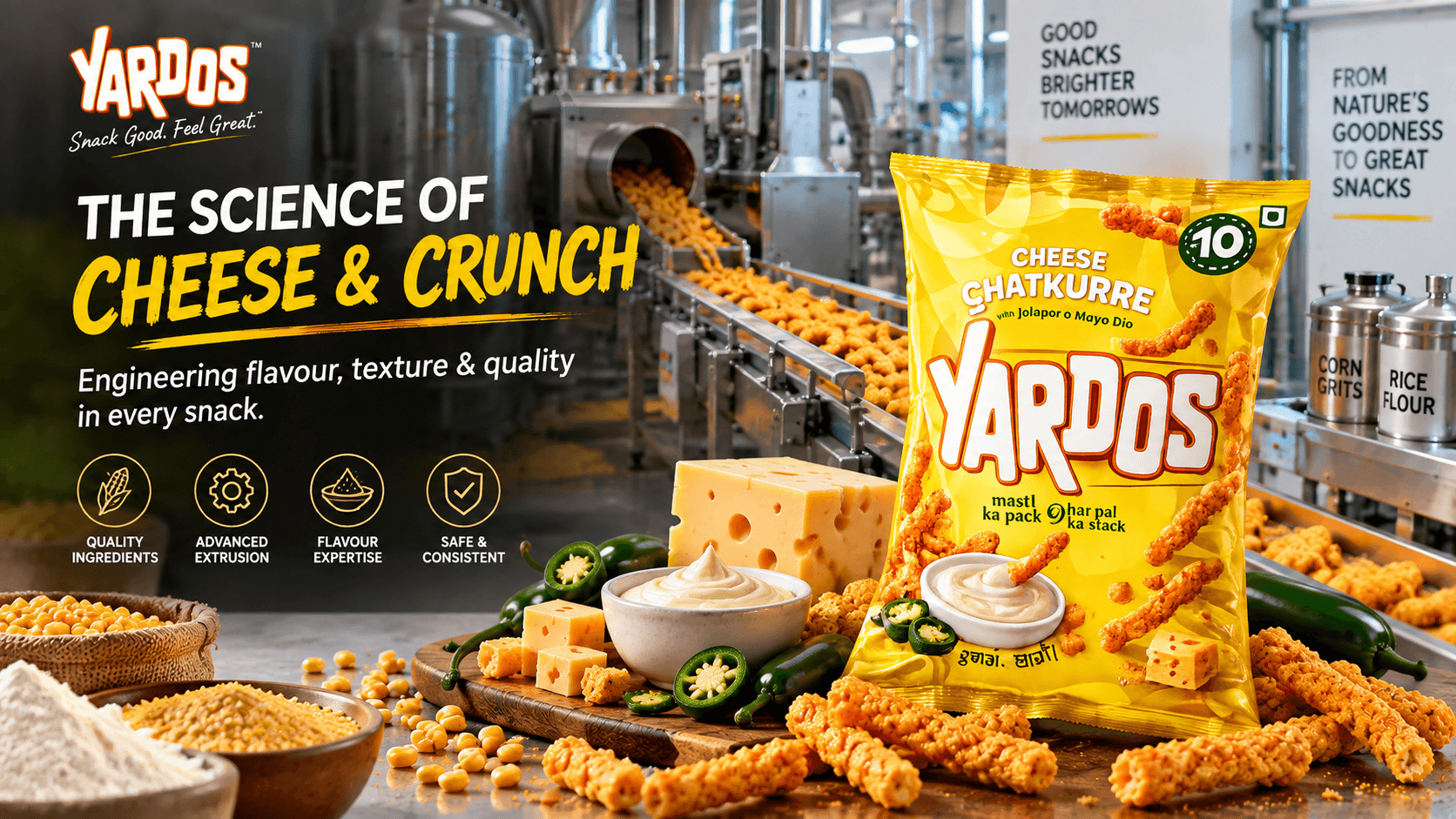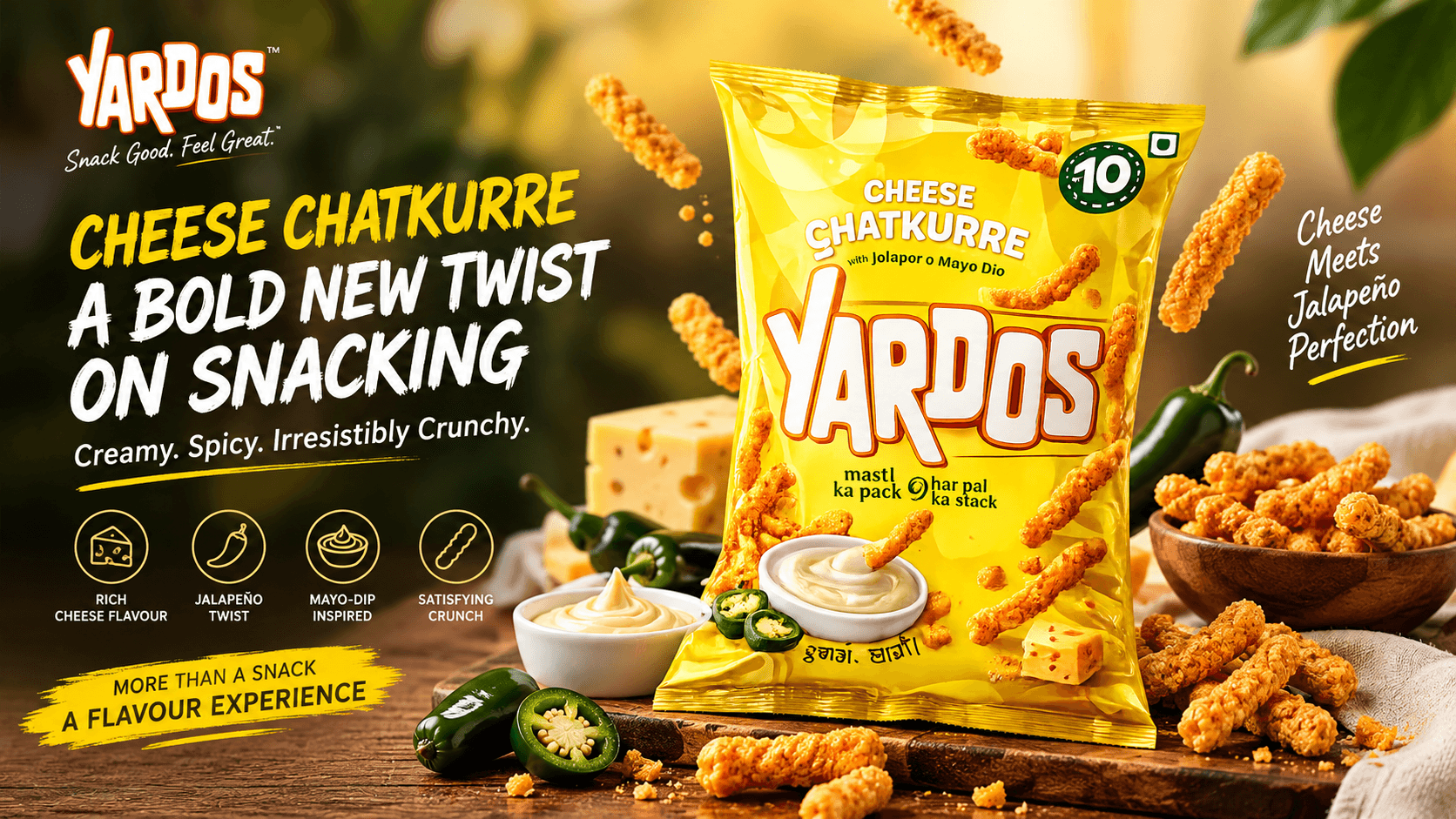

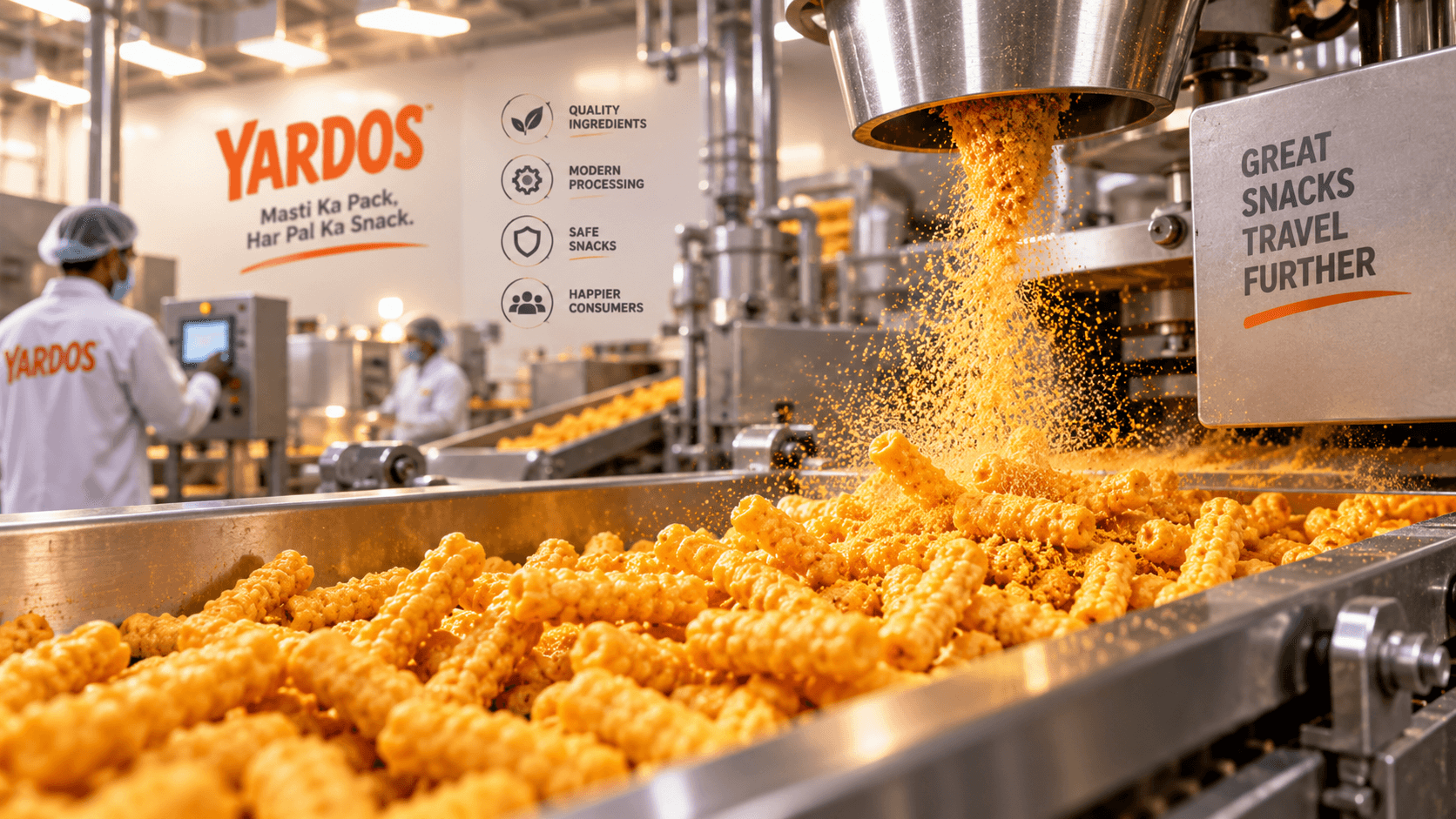
Yardos Chatkurre: Reinventing the Snack Experience with Mayo-Dip Inspired Flavours
Executive Summary: The Evolution of Indian Savory Snacks
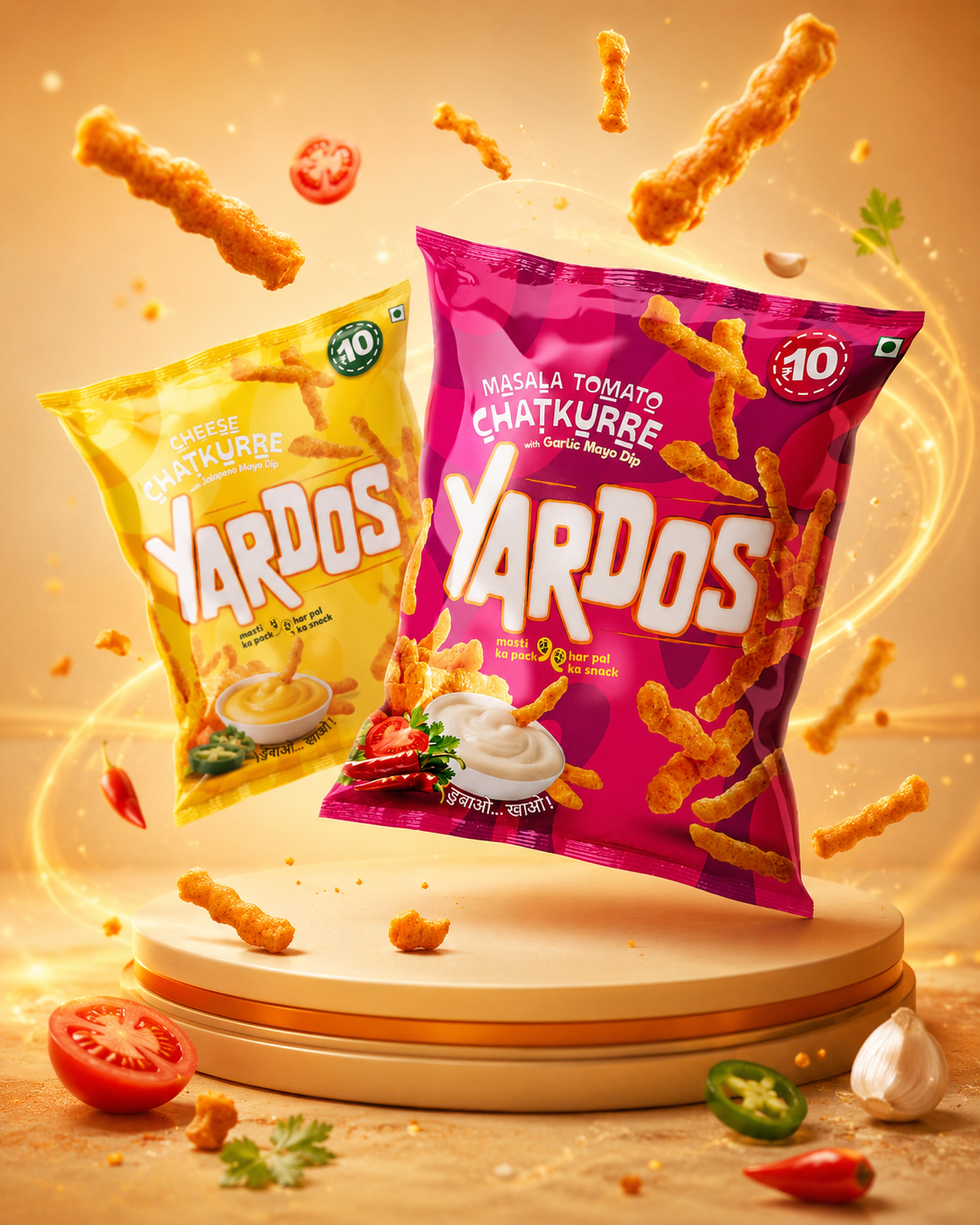
The Indian savory snack market is undergoing a structural transition. Historically dominated by traditional fried pulses and grain-based namkeens, the sector is now witnessing a shift toward fusion profiles that marry regional spice palettes with international creamy textures. Yardos Chatkurre represents a specific response to this trend, functioning as a category disruptor that bridges the gap between the high-crunch requirements of the Indian consumer and the rising demand for mayo-dip inspired flavor profiles.
This evolution is not merely aesthetic. It requires a fundamental shift in how manufacturers approach substrate engineering and seasoning adherence. By integrating complex flavor profiles—traditionally reserved for fresh dips—onto shelf-stable, extruded substrates, brands like Yardos are setting new benchmarks for FMCG product innovation. This article explores the technical, regulatory, and logistical frameworks that support this shift, providing a comprehensive view of the modern snack manufacturing landscape in India.
Technical Foundations of Extrusion Technology in Snack Manufacturing
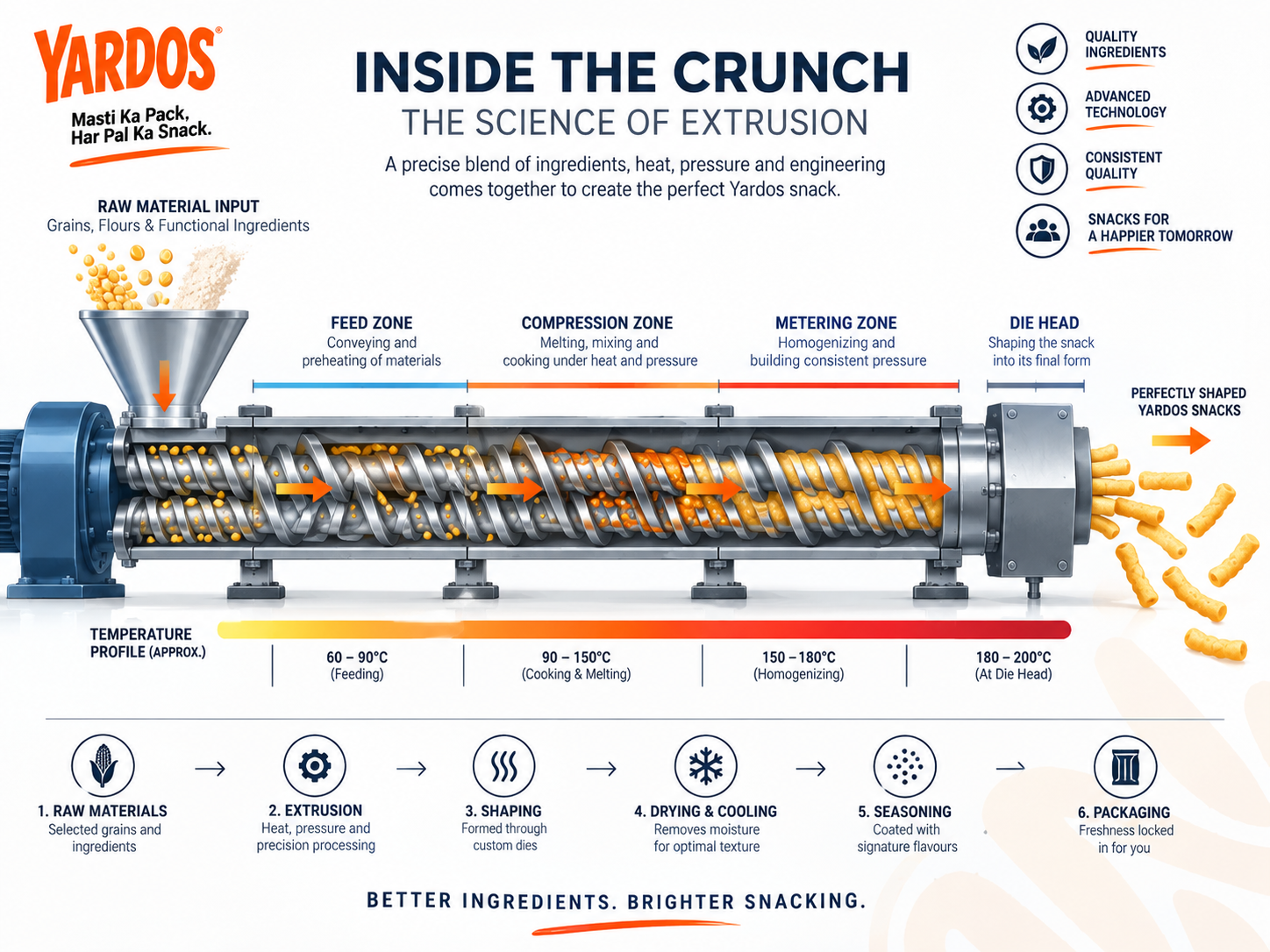
The production of high-quality extruded snacks relies on precise control over the thermo-mechanical environment within the extruder barrel. For products like Yardos Chatkurre, the objective is to achieve a specific expansion ratio and cellular structure that can support heavy seasoning loads without compromising structural integrity.
Twin-screw extrusion is the industry standard for this process. The process begins with the conditioning of raw materials—typically corn grit or rice flour—to a moisture content of 12-15%. Inside the barrel, the material undergoes high-shear mixing, where temperatures reach between 140°C and 160°C. This temperature range is critical for starch gelatinization, a process where the crystalline structure of the starch granules is disrupted, allowing for the formation of a cohesive, elastic melt.
As the melt passes through the die, the sudden pressure drop causes rapid water evaporation, resulting in the characteristic expansion of the snack. To ensure consistent crunch, manufacturers must monitor the Specific Mechanical Energy (SME) input, typically maintained between 150-250 kWh/ton. If the SME is too low, the product will lack the necessary expansion; if too high, the starch may undergo excessive degradation, leading to a brittle, undesirable texture. Maintaining this balance is essential for the final product's mouthfeel.
Flavor Engineering: The Science of Mayo-Dip Inspired Profiles
Transitioning from a neutral extruded substrate to a mayo-dip inspired flavor profile presents significant challenges in food chemistry. Mayo-based flavors are inherently lipid-rich and moisture-sensitive, which conflicts with the low-moisture requirements of a shelf-stable snack.
To achieve this, manufacturers utilize sophisticated seasoning application systems. The process involves a two-stage coating: first, a liquid oil-based carrier (often a high-stability vegetable oil) is applied to the snack surface to act as an adhesive. Second, a dry seasoning blend containing encapsulated flavor compounds, acidity regulators (such as lactic acid or citric acid), and dairy solids is applied.
Encapsulation is the key to preventing flavor degradation. By micro-encapsulating the creamy notes, the flavor remains stable until the moment of consumption. The use of emulsifiers, such as lecithin, ensures that the seasoning adheres uniformly to the snack surface, preventing "bald spots" and ensuring that each unit of Yardos Chatkurre delivers a consistent sensory experience. The target moisture content for the finished product must remain below 2.5% to ensure a shelf life of at least 6 months, necessitating the use of nitrogen-flushed, high-barrier laminate packaging.
Regulatory Compliance and Quality Standards in Snack Production
Adherence to the Food Safety and Standards Authority of India (FSSAI) regulations is the foundational pillar of any reputable snack manufacturing operation. Under the Food Safety and Standards (Licensing and Registration of Food Businesses) Regulations, specifically Schedule 4, manufacturers are mandated to implement rigorous Good Manufacturing Practices (GMP) and Good Hygienic Practices (GHP).
For fried or extruded snacks, oil quality is a primary regulatory concern. The FSSAI stipulates that the Total Polar Compounds (TPC) in frying oil must not exceed 25%. Exceeding this limit indicates the presence of harmful degradation products, including free fatty acids and oxidized polymers. Manufacturers must implement a strict oil turnover policy, where fresh oil is continuously added to the fryer to maintain TPC levels well below the regulatory threshold.
Furthermore, moisture content analysis is performed using infrared moisture analyzers to ensure compliance with product specifications. Microbiological testing, including the monitoring of Total Plate Count (TPC), Yeast and Mold, and Salmonella, is conducted on a batch-by-batch basis to ensure that the final product meets the safety standards defined in the Food Safety and Standards (Food Products Standards and Food Additives) Regulations.
Strategic Logistics: Central India as an FMCG Distribution Hub
Central India, particularly regions surrounding Nagpur, Maharashtra, has emerged as a strategic nexus for FMCG distribution. The geographic centrality allows for optimized transit times to major consumption centers in the North, South, East, and West, significantly reducing the carbon footprint and logistical costs associated with long-haul freight.
Efficient distribution for products like Yardos Chatkurre requires a multi-tiered logistics strategy. Primary distribution involves bulk movement from the production facility to regional warehouses, while secondary distribution focuses on last-mile delivery to retail outlets. The use of Warehouse Management Systems (WMS) allows for real-time inventory tracking, ensuring that the First-Expired-First-Out (FEFO) principle is strictly followed to maintain product freshness.
Regional distribution networks are supported by a robust cold-chain-ready infrastructure, even for ambient products. While Chatkurre does not require refrigeration, the climate-controlled storage environments in modern distribution centers prevent the degradation of the seasoning blends, which can be sensitive to extreme heat and humidity. This logistical precision is what enables brands to maintain consistent availability across diverse retail formats, from modern trade supermarkets to traditional kirana stores.
Consumer Trends: The Rise of Global-Local Fusion Snacks
Consumer behavior in India is shifting away from monolithic snack categories. There is a clear preference for "glocal" products—snacks that retain the familiar crunch and spice of traditional Indian namkeens while incorporating global flavor profiles like peri-peri, cheese, and mayo-inspired tangy tomato.
This trend is particularly pronounced in tier-2 and tier-3 cities, where the appetite for international culinary experiences is growing rapidly. The success of Yardos Chatkurre in these markets is evidence that consumers are willing to experiment with new flavor profiles, provided the product remains accessible and familiar in its base texture. The mayo-inspired trend, in particular, taps into the popularity of street-food culture, where creamy, tangy dips are a staple. By translating these profiles into a convenient, packaged format, manufacturers are successfully capturing a larger share of the "on-the-go" snacking occasion.
Industry Takeaways and Future Directions
The trajectory of the Indian snack industry points toward continued innovation in flavor and texture. For manufacturers, the key to success lies in the integration of advanced extrusion technology with rigorous quality control and a data-driven approach to distribution.
Key takeaways for the industry include:
- Technical Precision: Investing in twin-screw extrusion technology is necessary to achieve the specific textures required for modern fusion snacks.
- Regulatory Rigor: Strict adherence to FSSAI Schedule 4 is not just a legal requirement but a competitive advantage in building consumer trust.
- Logistical Efficiency: Leveraging the geographic advantages of Central India can significantly optimize supply chain performance.
- Consumer-Centric Innovation: The fusion of global and local flavors is a sustainable growth strategy, provided it is backed by robust market research and sensory testing.
As the market matures, the focus will likely shift toward healthier ingredient profiles, such as the inclusion of millets or high-protein pulses, while maintaining the sensory appeal that consumers demand. The future of the snack industry in India is one where innovation is balanced with the foundational principles of food safety and operational excellence.
References
- Food Safety and Standards Authority of India (FSSAI). (2011). Food Safety and Standards (Licensing and Registration of Food Businesses) Regulations. Ministry of Health and Family Welfare, Government of India. https://www.fssai.gov.in
- Food Safety and Standards Authority of India (FSSAI). (2011). Food Safety and Standards (Food Products Standards and Food Additives) Regulations. Ministry of Health and Family Welfare, Government of India. https://www.fssai.gov.in
- Codex Alimentarius Commission. (2020). General Principles of Food Hygiene (CXC 1-1969). Food and Agriculture Organization of the United Nations / World Health Organization.
- Singh, R. P., & Heldman, D. R. (2014). Introduction to Food Engineering (5th ed.). Academic Press.
- Harper, J. M. (1981). Extrusion of Foods. CRC Press.